 Save
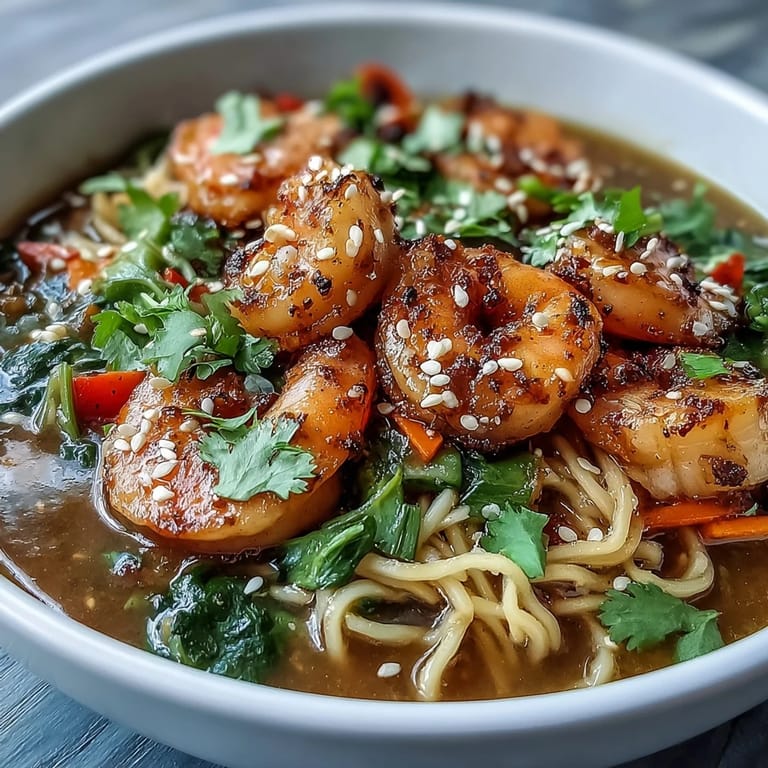
Save There was this Tuesday evening when my neighbor stopped by with fresh scallops from the fishmonger, and I realized I had exactly enough shrimp in my freezer to make something special. The kitchen filled with the smell of ginger and garlic hitting hot sesame oil, and suddenly that simple weeknight felt like something worth sitting down for. This noodle bowl came together almost by accident, but it's become the dish I make whenever I want to feel like I'm cooking something that matters.
I made this for my partner's work friends once, and watching them lean over their bowls with that focused, happy silence—the kind where people forget to talk because the food is too good—that's when I knew this recipe had staying power. There's something about a steaming bowl of noodles and seafood that makes people slow down and actually enjoy what they're eating.
Ingredients
- Large shrimp and sea scallops: Pat them completely dry before cooking so they sear properly and stay tender inside; moisture is the enemy of a good sear.
- Rice noodles or soba noodles: Cook them just until tender, then rinse with cold water so they don't clump together in the bowl.
- Carrot, red bell pepper, snow peas, and baby bok choy: Julienne and slice everything before you start cooking so you're not scrambling when the broth is simmering.
- Fresh ginger and garlic: These two are the backbone of the whole broth, so don't skip them or use jarred versions if you can help it.
- Low-sodium broth: Use chicken or vegetable depending on your preference; the low-sodium part matters because you're adding soy and fish sauce later.
- Soy sauce, fish sauce, sesame oil, and rice vinegar: These four create the broth's personality, so taste as you go and don't be shy about adjusting.
- Chili paste: This is optional, but keep it on hand because some people like heat and some don't.
- Cilantro, toasted sesame seeds, and lime: These garnishes aren't afterthoughts; they brighten everything up and make each bowl feel intentional.
Tired of Takeout? 🥡
Get 10 meals you can make faster than delivery arrives. Seriously.
One email. No spam. Unsubscribe anytime.
Instructions
- Start your noodles first:
- Get water boiling and cook the noodles according to the package, then drain and rinse with cold water so they stay separate and don't overcook sitting in the pot.
- Build your broth base:
- Heat sesame oil in a large pot and let the ginger and garlic steep for a minute until the smell hits you and you know it's right, then pour in the broth along with soy sauce, fish sauce, and rice vinegar.
- Simmer your vegetables:
- Once the broth is at a gentle simmer, add the carrots, bell pepper, snow peas, and bok choy and let them cook for 3 to 4 minutes until they're tender but still have a bit of texture.
- Cook the seafood gently:
- Add the shrimp and scallops last and let them poach in the broth for 2 to 3 minutes, watching until they turn opaque; overcooking them for even one extra minute makes them rubbery and sad.
- Taste and adjust:
- Before plating, taste the broth and add more fish sauce if it needs depth, more soy sauce for saltiness, or chili paste if you want heat.
- Assemble each bowl:
- Divide the cooked noodles among four bowls, then ladle the hot broth with seafood and vegetables over top, making sure each person gets shrimp and scallops.
- Finish with intention:
- Top each bowl with spring onions, fresh cilantro, toasted sesame seeds, and a squeeze of lime juice that brings all the flavors into focus.
 Save
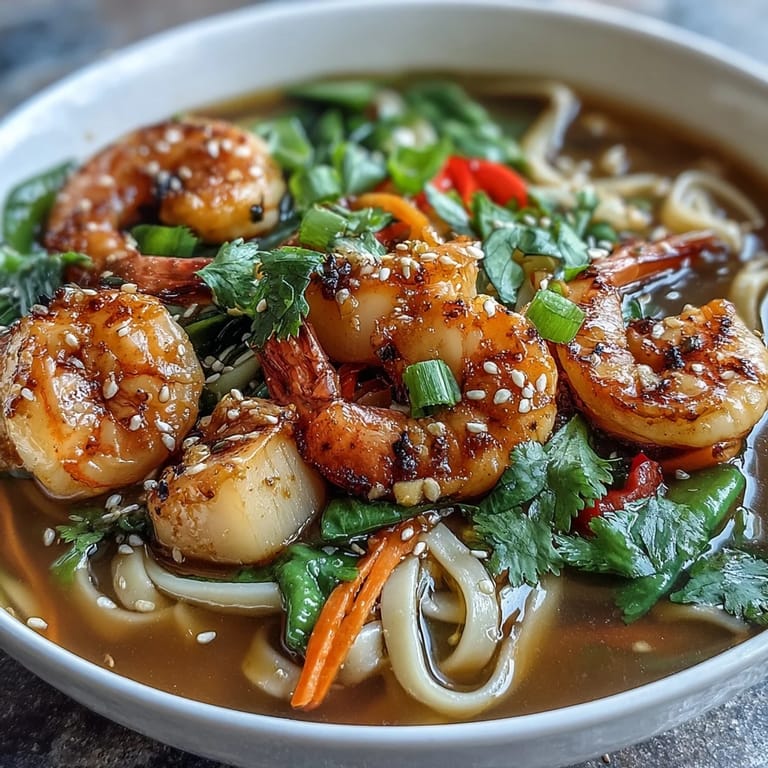
Save My mom tasted this once and asked if I'd been hiding cooking skills from her, which made me laugh because the real skill is knowing when to stop fussing and let the ingredients speak for themselves. It's a bowl of noodles and seafood, but it's also proof that you don't need complicated techniques to make something that feels like care.
The Art of the Seafood Timing
Shrimp and scallops cook faster than you think, and that's actually their gift if you respect the timing. I learned this by ruining a batch early on, overcooking everything because I was worried they weren't done, and ending up with chewy disappointment in a beautiful broth. Now I use the visual cue of translucency as my guide, watching them change color rather than counting seconds, and it's made all the difference.
Building Layers of Flavor
The broth isn't just hot water with things floating in it; it's a carefully balanced conversation between salty, savory, tangy, and aromatic. The ginger and garlic create warmth, the soy and fish sauce add depth, the rice vinegar brightens it all, and the sesame oil ties everything together with richness. This is why tasting and adjusting matters—every batch of broth has slight variations depending on your ingredients, so trusting your palate is more important than following exact measurements.
Vegetable Prep and Variations
One of the joys of this bowl is how flexible it is with vegetables; I've made it with mushrooms, baby corn, snap peas, and even thin-sliced zucchini depending on what's in season or what I'm in the mood for. The key is cutting everything to similar sizes so they cook evenly and look intentional in the bowl. Here are some swaps that work beautifully:
- Swap snow peas for sugar snap peas or green beans if that's what you have on hand.
- Add shiitake mushrooms or oyster mushrooms for an earthy note that complements the seafood.
- Make it vegetarian by using extra-firm tofu instead of shrimp and scallops, pressing it well before adding to the broth.
 Save
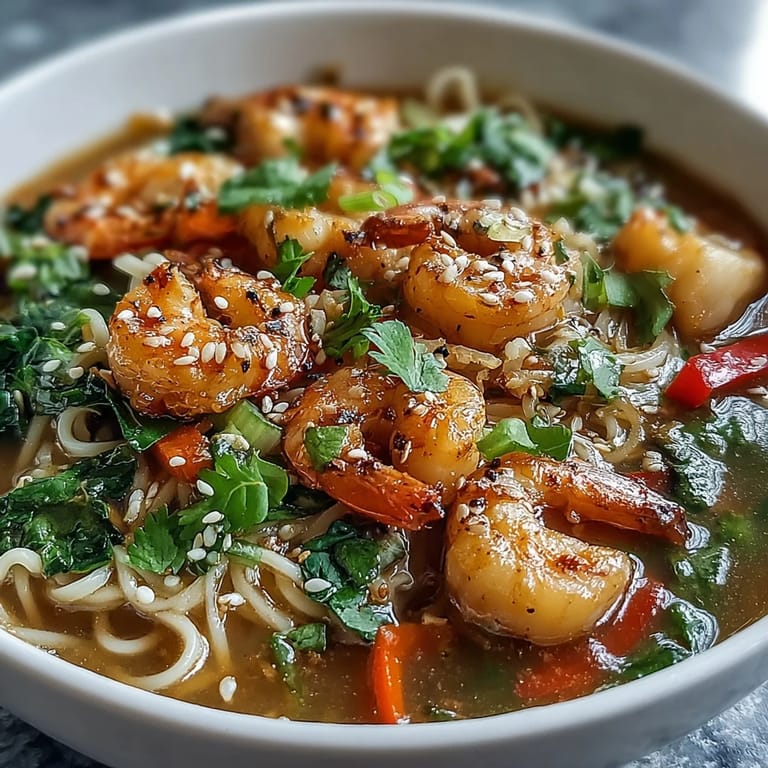
Save This bowl has become my answer to the question of what to cook when you want something that feels both nourishing and exciting. Make it once and you'll find yourself reaching for it again and again.
Recipe FAQs
- → What type of noodles work best?
Rice noodles and soba both work beautifully in this bowl. Rice noodles offer a delicate texture that absorbs the savory broth, while soba provides a nutty flavor and slightly firmer bite. Udon or egg noodles make excellent alternatives if you prefer a chewier texture.
- → How do I prevent the seafood from becoming tough?
Add the shrimp and scallops during the final 2-3 minutes of simmering. They cook quickly and become rubbery if overcooked. Watch closely—the seafood is done when it turns opaque and just barely firm to the touch. Remove from heat immediately once cooked through.
- → Can I make this dish vegetarian?
Absolutely. Replace the seafood with firm tofu cubes or tempeh, and use vegetable broth instead of chicken broth. The tofu will absorb the aromatic flavors beautifully. Add it during the final 3-4 minutes of cooking so it warms through without falling apart.
- → Is this bowl spicy?
The base dish has mild heat from fresh ginger and garlic. The chili paste is optional—add it to taste if you enjoy spicy food. Start with a small amount and adjust after tasting, as the heat level can vary between different chili paste brands.
- → Can I prepare this in advance?
The broth can be made a day ahead and stored in the refrigerator. Reheat gently before serving. However, cook the noodles and seafood fresh for the best texture—precooked noodles absorb too much liquid and become mushy, while seafood toughens when reheated.
- → What vegetables can I add or substitute?
Snap peas, mushrooms, baby corn, or bean sprouts make great additions. For substitutions, try sliced zucchini, spinach, or napa cabbage. Keep vegetables cut into uniform, bite-sized pieces so they cook evenly in the simmering broth.