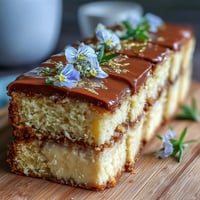
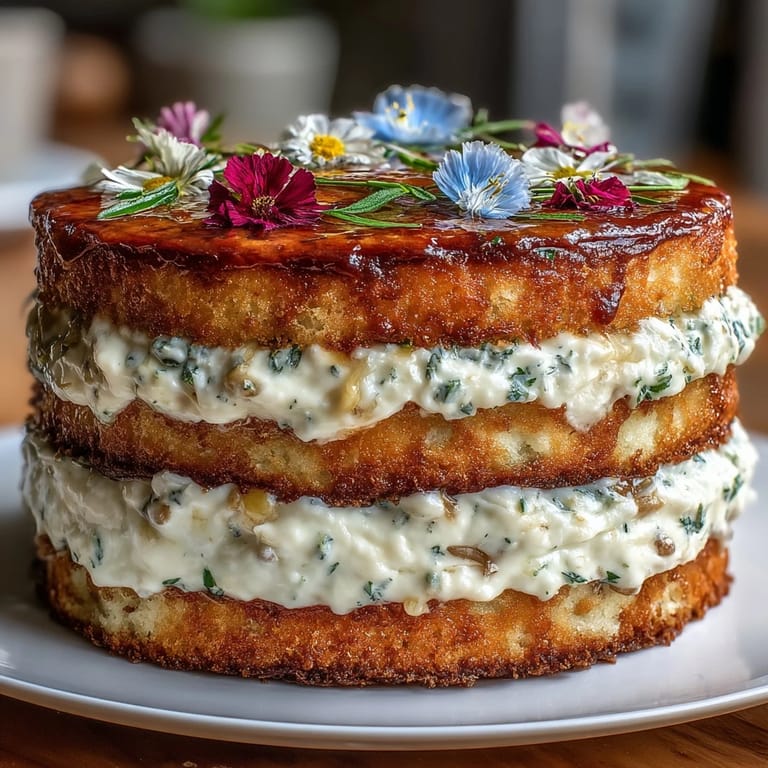
 Save
Save The scent of lemon zest and sugar mingling always floats through my kitchen just as the first buds bloom outside. One April afternoon, I couldn’t resist transforming those bright flavors and delicate flowers into a spring cake—something both striking and refreshingly lemony. The flutter of pansy petals made me laugh as they danced across my countertop, ready to be pressed into the soft cream. Little messes and the cheerful chaos of decorating felt instinctively right for a cake meant to celebrate warmer days. From the start, it’s been about mixing joy with a touch of whimsy.
I distinctly remember making this cake for a friend’s garden party, where laughter echoed and the cake became the centerpiece—its floral finish sparking a wave of phone photos. The assembly was punctuated by casual chatter and the thrill of unveiling those pressed blooms. Sharing slices outside under blossoming trees blurred the culinary effort into pure celebration. Unexpectedly, it became my go-to spring dessert for anyone in need of cheering up. The simple act of arranging edible petals always made me feel like a kid again.
Ingredients
- Unsalted butter: Softened butter gives the sponge a tender crumb; letting it sit at room temperature avoids lumps.
- Granulated sugar: The right measure creates a sweet but not cloying cake; beating it thoroughly with butter yields an airy texture.
- Eggs: Room temperature eggs incorporate smoothly and help the cake rise light and high.
- Vanilla extract: Adds warmth and rounds out the lemon notes.
- All-purpose flour: Sifting flour helps prevent pockets and keeps the sponge reliably fluffy.
- Baking powder: Essential for a gentle lift; ensure it's fresh for proper rising.
- Fine sea salt: A pinch brings out the flavors—never skip it.
- Whole milk: Room temperature milk keeps the batter from seizing; don't rush the additions.
- Lemon zest: Fresh zest perfumes the cake with citrus; wash lemons thoroughly before zesting.
- Freshly squeezed lemon juice: Only fresh will do for the curd—a squeeze makes all the difference.
- Lemon curd eggs: Whisk thoroughly for a silky curd free from streaks.
- Unsalted butter for curd: Cut into cubes for easy blending at the end.
- Heavy cream: Chilled cream whips faster and holds its shape for decorating.
- Powdered sugar: Sweetens the whipped cream while keeping it smooth.
- Pressed edible flowers: Use organic, pesticide-free petals and gently press them between parchment days ahead.
- Vanilla extract for cream: Subtle flavor enhances the decoration without overpowering the cake.
Tired of Takeout? 🥡
Get 10 meals you can make faster than delivery arrives. Seriously.
One email. No spam. Unsubscribe anytime.
Instructions
- Prepare your pans:
- Grease two 8-inch pans and line with parchment, letting the edges rise up for easy removal later.
- Cream butter and sugar:
- With an electric mixer, beat butter and sugar until pale and fluffy; pause to breathe in that aroma—it signals the start of something special.
- Add eggs and flavor:
- Crack in the eggs one at a time, mixing gently, and drizzle in vanilla extract and lemon zest; watch as the batter turns luminous and silky.
- Combine dry ingredients:
- Whisk flour, baking powder, and salt separately, then gradually blend with the butter mixture, alternating with milk until just combined—don’t overmix!
- Bake and cool:
- Divide batter into pans, bake at 350°F for 25–30 minutes, and let cakes rest before turning them out onto a wire rack.
- Make lemon curd:
- Whisk eggs, sugar, lemon juice, and zest over simmering water; stir constantly until thick, then whisk in butter—curd should be silky and fragrant, never scrambled.
- Whip cream:
- Whip your chilled cream, powdered sugar, and vanilla until stiff peaks form—involve anyone nearby, as it's oddly satisfying to see the transformation.
- Layer and assemble:
- Place one sponge on a plate, spread lemon curd evenly, top with second sponge, and lightly frost with whipped cream.
- Decorate with flowers:
- Gently press pressed edible flowers into the cream; work slowly as the petals are delicate and each placement feels like finishing a painting.
- Chill and serve:
- Refrigerate for at least 30 minutes so the decorations set, then slice and serve.
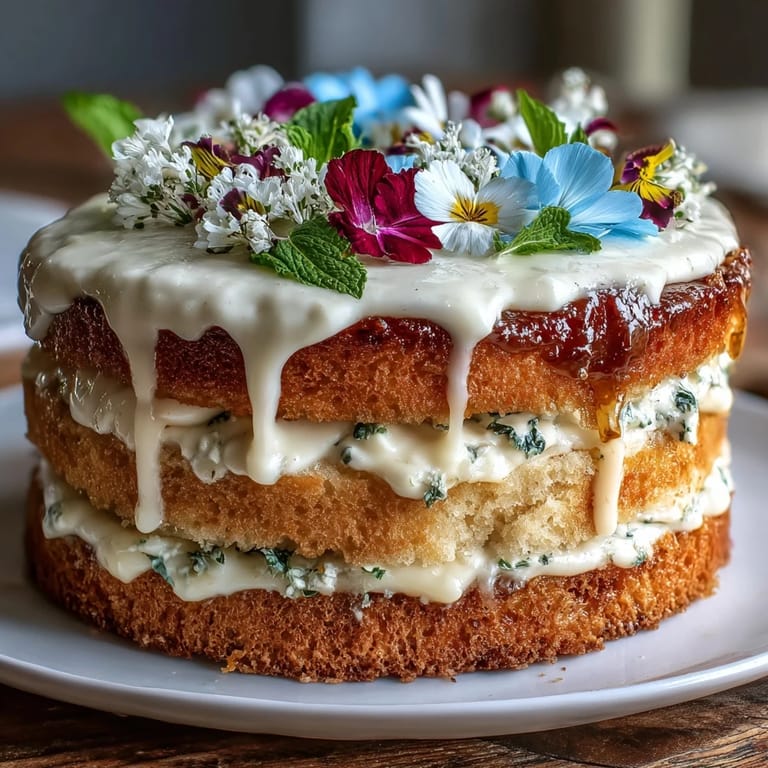 Save
Save One rainy spring morning, I brought this cake into work and watched as everyone gathered around—even the most reserved colleagues. Something about the flowers and bright lemon pulled smiles from faces, and dozens of tiny forks disappeared into the sponge almost immediately. It was in that moment that I realized food can offer a gentle invitation, opening doors and starting conversations like nothing else. The cake became more than dessert—it was the centerpiece for connection and laughter. From then on, I knew I had a recipe worth sharing.
Choosing the Best Edible Flowers
Opt for pansies, violets, or rose petals from trusted sources and wash them gently before pressing—organic really matters here. Pressing flowers between parchment and heavy books for a few days keeps them flat and vibrant, ready to transform your cake. Avoid anything from florists or garden centers that might carry pesticides. I sometimes let my kids pick petals from our backyard just for the adventure. Always check for allergen safety and edible certifications, since a pretty bloom isn't always a safe bloom.
Making Lemon Curd Without Stress
The first time I made lemon curd, I stood nervously over the stove, worried about lumps. Whisking continuously over gentle heat creates a creamy, glossy curd that tastes bright and smooth. Don’t rush—slow and steady is truly the way for this part. If you do see small bits form, a quick strain through a fine sieve saves the day. Now, I always have an extra lemon on hand, just in case.
How to Get Whipped Cream Just Right
Chill your bowl and beaters before starting, and keep the cream cold; this ensures quick, stable peaks. Stop whipping as soon as you see defined ridges—the cream should hold its shape but not become grainy. Use an offset spatula for the smoothest application, and don’t fret about absolute perfection: the flowers cover minor flaws! If a little cream slides off, just patch and press in an edible petal. It’s meant to be playful, not stressful.
- Try assembling and decorating over parchment for easy cleanup.
- Use a thin layer of cream—too much makes flower pressing tricky.
- Let the cake chill well before slicing for clean pieces and beautiful presentation.
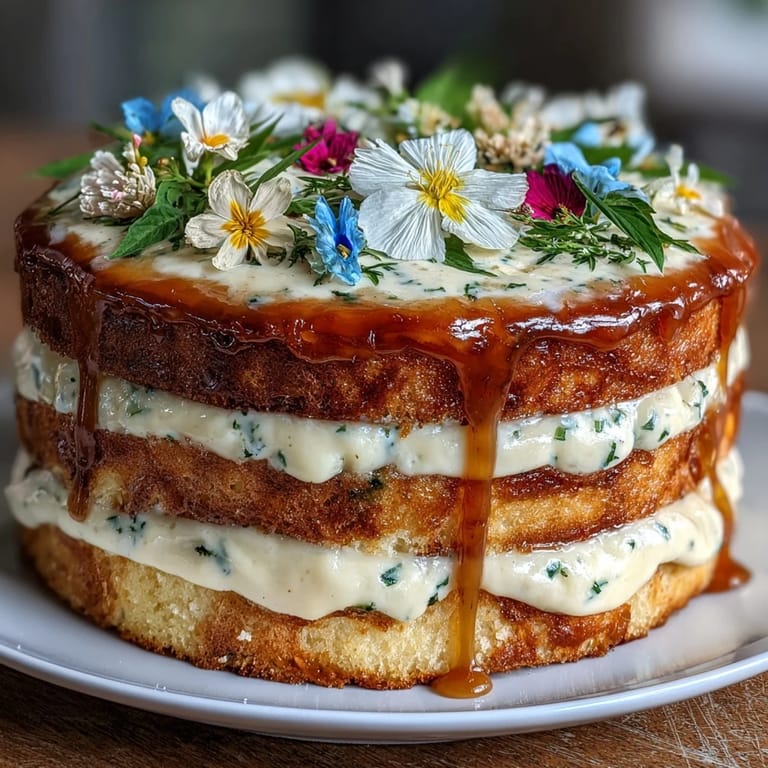 Save
Save Spring Cake with Pressed Edible Flowers and Lemon Curd brings color and brightness to any table. Share it with friends and let each slice remind you of gentle weather and joyful creativity.
Recipe FAQs
- → What are the best edible flowers for decorating?
Choose pansies, violets, nasturtiums, or organic rose petals, ensuring they're verified edible and pesticide-free.
- → How can I enhance the lemon flavor?
Brush cooled cake layers with lemon syrup before assembling for a stronger citrus note throughout the dessert.
- → Can the cake layers be prepared ahead?
Yes, bake them a day in advance and store at room temperature wrapped securely to maintain freshness.
- → How do I safely press edible flowers on the cake?
Arrange the flowers after frosting, press gently to adhere, and chill to set the floral decoration firmly in place.
- → What pairs well with this cake?
Earl Grey tea or sparkling Moscato complements the cake’s citrus and floral notes beautifully.
- → Is this dessert suitable for vegetarians?
Yes, this spring cake contains no meat and is ideal for vegetarian diets.