 Save
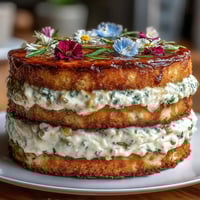
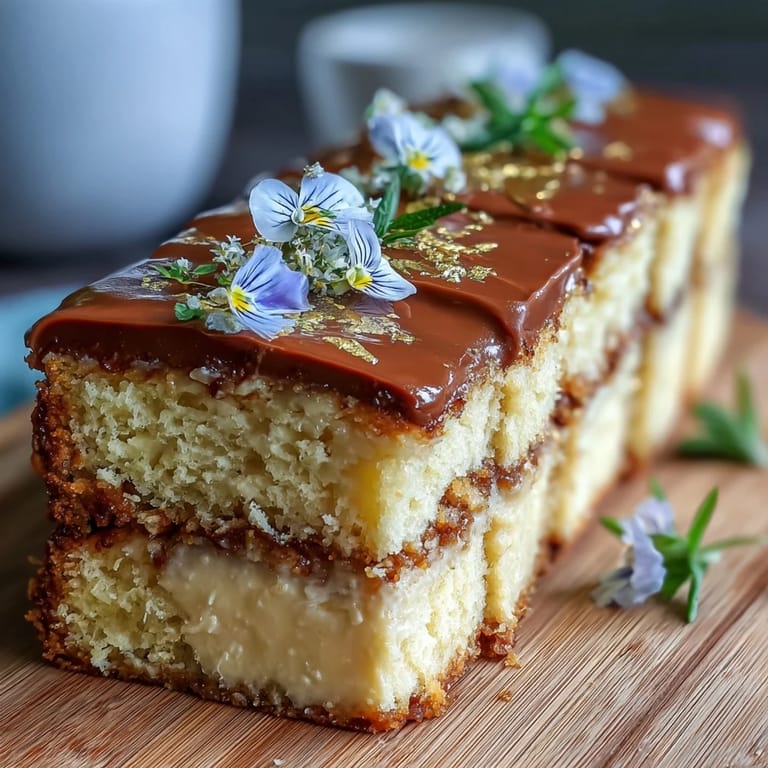
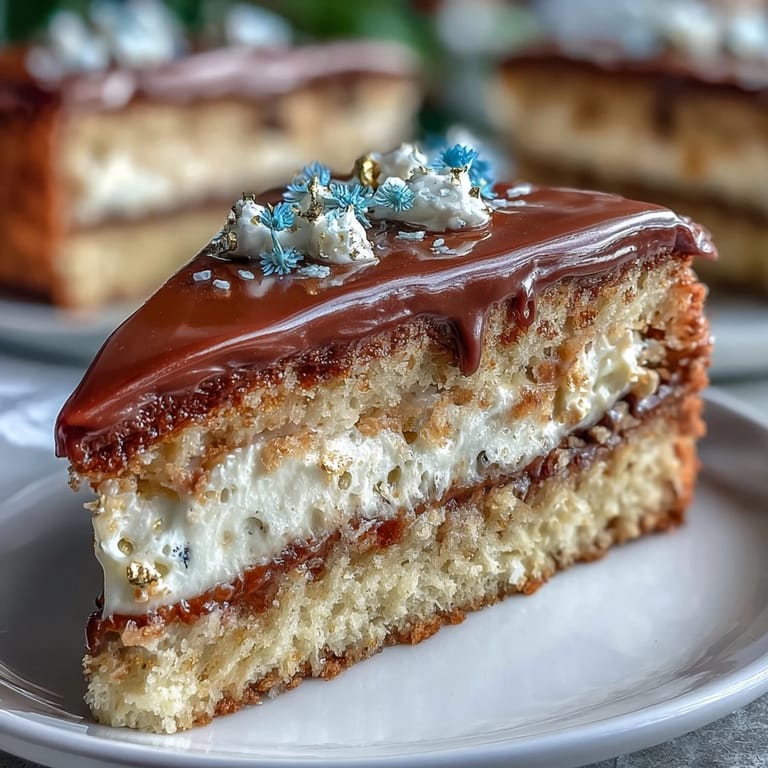
Save A graduation marks one of life's most treasured milestones—a moment when years of dedication, late-night study sessions, and perseverance culminate in triumph. What better way to honor this achievement than with a cake that embodies elegance and celebration? This Graduation Cake, adorned with delicate edible flowers and shimmering gold leaf, transforms a classic vanilla sponge into a breathtaking centerpiece. With layers of silky Swiss meringue buttercream and luxurious finishing touches, this dessert is more than just a sweet treat—it's a work of art that captures the joy and pride of academic success.
Save The magic of this graduation cake lies in its thoughtful layers. Each component builds upon the last: tender vanilla sponge provides the foundation, while the Swiss meringue buttercream—made with precision and patience—delivers a silky texture that melts on the tongue. The final flourishes of gold leaf and fresh edible flowers aren't merely decorative; they symbolize the brilliance and growth of the graduate being honored. Whether you're celebrating a high school senior, college graduate, or advanced degree earner, this cake speaks volumes about how much their accomplishment means.
Ingredients
Tired of Takeout? 🥡
Get 10 meals you can make faster than delivery arrives. Seriously.
One email. No spam. Unsubscribe anytime.
- For the Vanilla Sponge Cake: 2 1/2 cups (315 g) all-purpose flour, 2 1/2 tsp baking powder, 1/2 tsp salt, 1 cup (230 g) unsalted butter at room temperature, 2 cups (400 g) granulated sugar, 4 large eggs at room temperature, 1 tbsp vanilla extract, 1 cup (240 ml) whole milk
- For the Swiss Meringue Buttercream: 5 large egg whites, 1 1/4 cups (250 g) granulated sugar, 1 1/2 cups (340 g) unsalted butter at room temperature and cubed, 2 tsp vanilla extract, pinch of salt
- For Decoration: Edible gold leaf sheets, assorted edible flowers such as pansies, violets, or roses, food-safe paintbrush, gold ribbon (optional)
Instructions
- Step 1: Prepare the Oven and Pans
- Preheat oven to 350°F (175°C). Grease and line three 8-inch (20 cm) round cake pans with parchment paper.
- Step 2: Mix Dry Ingredients
- In a bowl, whisk together flour, baking powder, and salt. Set aside.
- Step 3: Cream Butter and Sugar
- In a large mixing bowl, beat butter and sugar until light and fluffy, about 3 minutes.
- Step 4: Add Eggs and Vanilla
- Add eggs one at a time, beating well after each addition. Mix in vanilla extract.
- Step 5: Combine Wet and Dry
- Alternate adding the flour mixture and milk, beginning and ending with flour. Mix just until combined.
- Step 6: Fill Pans
- Divide batter evenly among prepared pans. Smooth tops.
- Step 7: Bake
- Bake for 28–32 minutes, or until a toothpick inserted in the center comes out clean.
- Step 8: Cool Cakes
- Cool cakes in pans for 10 minutes, then turn out onto wire racks to cool completely.
- Step 9: Make Meringue Base
- For the buttercream: Combine egg whites and sugar in a heatproof bowl over simmering water. Whisk constantly until sugar dissolves and mixture reaches 160°F (71°C), about 5 minutes.
- Step 10: Whip Meringue
- Transfer to a stand mixer and beat on high until stiff peaks form and the bowl is cool to the touch, about 8–10 minutes.
- Step 11: Add Butter
- Reduce speed to medium, add butter a few cubes at a time, mixing until smooth. Add vanilla and salt.
- Step 12: Assemble and Frost
- Assemble cake: Place one cake layer on a serving plate. Spread with buttercream. Repeat with remaining layers. Cover the cake with a thin crumb coat, chill for 20 minutes, then apply a final smooth layer of buttercream.
- Step 13: Apply Gold Leaf
- Carefully apply edible gold leaf to sections of the cake using a food-safe paintbrush.
- Step 14: Decorate with Flowers
- Arrange edible flowers decoratively on the cake. Add a gold ribbon around the base if desired.
Zusatztipps für die Zubereitung
Success with this graduation cake depends on a few key techniques. Ensure all ingredients for the sponge cake—especially butter, eggs, and milk—are at room temperature to achieve the best texture and even mixing. When making Swiss meringue buttercream, patience is crucial: the egg white mixture must reach 160°F (71°C) for food safety, and the meringue must cool completely before adding butter to prevent it from melting. If the buttercream appears curdled when adding butter, keep mixing—it will come together into a silky smooth frosting. The crumb coat is essential for a professional finish; this thin first layer traps any loose crumbs before the final coating. When applying gold leaf, work gently with a dry food-safe paintbrush, as the delicate sheets will stick to any moisture.
Varianten und Anpassungen
This graduation cake recipe is wonderfully adaptable to personal preferences and dietary needs. For a chocolate variation, substitute 1/2 cup of the all-purpose flour with cocoa powder to create rich chocolate sponge layers. The buttercream can be flavored beyond vanilla—try adding lemon zest, almond extract, or even a touch of espresso powder for depth. If you prefer a different frosting entirely, cream cheese frosting or whipped ganache work beautifully as alternatives. For color customization, divide the buttercream and tint portions with gel food coloring in school colors or the graduate's favorite hues. The decoration offers endless possibilities: replace or supplement edible flowers with fresh berries, create a drip effect with colored ganache, or add fondant graduation caps and diplomas for a themed approach.
Serviervorschläge
This elegant graduation cake deserves a presentation that matches its beauty. Serve on a cake stand or decorative platter to elevate its visual impact, and consider placing it on a table adorned with the graduate's achievements—diplomas, photos, or academic honors. The cake pairs wonderfully with sparkling wine or champagne for adult celebrations, while a light fruit punch makes an excellent non-alcoholic option. For serving, use a sharp knife dipped in hot water and wiped clean between slices to achieve neat cuts through the buttercream layers. Consider offering small portions, as the rich buttercream and tender sponge are quite satisfying. This cake is best enjoyed at room temperature, where the buttercream is at its silkiest and the flavors are most pronounced. Leftover slices can be stored in an airtight container in the refrigerator for up to 3 days.
 Save
Save Creating this graduation cake is an act of love that honors the hard work and dedication of your graduate. From the first whisk of flour to the final placement of an edible pansy, every step builds toward a masterpiece that celebrates achievement and new beginnings. The combination of classic vanilla flavors, luxurious Swiss meringue buttercream, and artistic flourishes creates a dessert that will be remembered long after the last slice is enjoyed. As you gather with family and friends to celebrate this milestone, let this beautiful cake serve as a sweet reminder that excellence deserves to be celebrated in the most delicious way possible. Here's to new adventures, bright futures, and the joy of accomplishment—one elegant slice at a time.
Recipe FAQs
- → What type of flowers can be used for decoration?
Only edible flowers grown without pesticides should be used, such as pansies, violets, and roses, to ensure safety and flavor.
- → How is the Swiss meringue buttercream prepared?
Egg whites and sugar are whisked over simmering water until dissolved and warm, then whipped to stiff peaks before adding butter, vanilla, and salt for a smooth texture.
- → Can the gold leaf be substituted?
The edible gold leaf provides a luxurious finish, but it can be omitted or replaced with other decorative edible elements like gold dust or sugar pearls.
- → What oven temperature and time are recommended for baking?
The cake layers bake at 350°F (175°C) for 28–32 minutes until a toothpick inserted comes out clean.
- → Are there any variations to the vanilla sponge?
For a chocolate twist, substitute half a cup of flour with cocoa powder while keeping other ingredients unchanged.