 Save
Save My grandmother used to say that black-eyed peas on New Years Day weren't just food—they were insurance against a year of bad luck. I'd watch her move around the kitchen with this quiet confidence, the pot bubbling away while she'd hum old songs I never quite learned the names of. One January morning when I was old enough to actually pay attention, I asked her why peas specifically, and she just smiled and said some things don't need explaining, they just need respecting. That's when I decided to learn this recipe properly, to understand why a simple pot of beans could mean so much.
The first time I made this for my own New Years gathering, I panicked halfway through because I'd forgotten to soak the peas overnight. A friend texted me the quick-soak trick just in time, and watching those peas soften while the kitchen filled with that smoky, garlicky aroma was the moment I realized I wasn't just following steps—I was creating something people would actually remember. Everyone came back for seconds, and nobody mentioned the peas were never soaked the traditional way.
Ingredients
- Dried black-eyed peas (1 pound): The soul of this dish—rinse and sort them carefully because every once in a while you'll find a tiny stone hiding in there, and biting down on that is absolutely not the way to start your year.
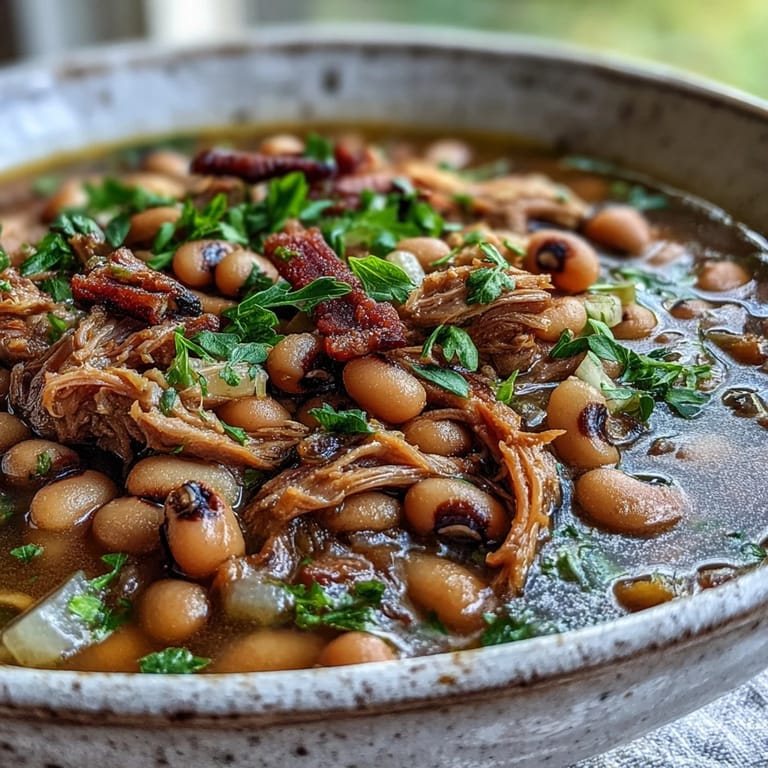
- Smoked pork neck bones or ham hocks (1½ pounds): This is where the magic lives; the smoke and fat render into the broth and transform everything around it into pure comfort.
- Onion, celery, and green bell pepper (the holy trinity): These three are the foundation of Southern cooking, and together they create an aromatic base that smells like home the moment they hit the hot pot.
- Garlic (4 cloves): Fresh minced garlic wakes up the entire dish in the last minute before everything comes together.
- Water or low-sodium chicken broth (7 cups): Broth adds depth if you have it on hand, but plain water lets the pork shine through beautifully.
- Creole seasoning (1½ teaspoons): This blend carries all the warmth you need—check your seasoning blend to know how spicy it runs, because some brands are gentler than others.
- Bay leaf, thyme, smoked paprika, and black pepper: These spices layer in complexity without ever feeling aggressive or overpowering.
- Fresh parsley for garnish: A handful of bright green at the end reminds you that this humble pot can still feel elegant.
Tired of Takeout? 🥡
Get 10 meals you can make faster than delivery arrives. Seriously.
One email. No spam. Unsubscribe anytime.
Instructions
- Soak your peas the night before (or take the quick route):
- If you're planning ahead, cover the rinsed peas with water in a bowl and leave them overnight—they'll plump up and cook more evenly. If time sneaks up on you like it always does, cover them with boiling water, let them sit for an hour, then drain and move forward; you'll barely notice the difference.
- Build your flavor base with the holy trinity:
- Heat a splash of oil in your Dutch oven over medium heat and add the chopped onion, celery, and bell pepper. Sauté for about 5 minutes, stirring occasionally, until they've softened and started to turn golden at the edges—this is when your kitchen begins to smell like something intentional.
- Wake everything up with garlic:
- Add your minced garlic and cook for just 1 minute, watching it carefully so it perfumes the oil without burning. The smell will shift from vegetable to something deeper and more inviting.
- Bring all the components together:
- Stir in your drained peas, smoked pork bones, liquid, and all the spices—the Creole seasoning, bay leaf, thyme, smoked paprika, and black pepper. Give it a good stir so everything mingles, then bring the whole pot to a boil.
- Simmer low and slow until everything is tender:
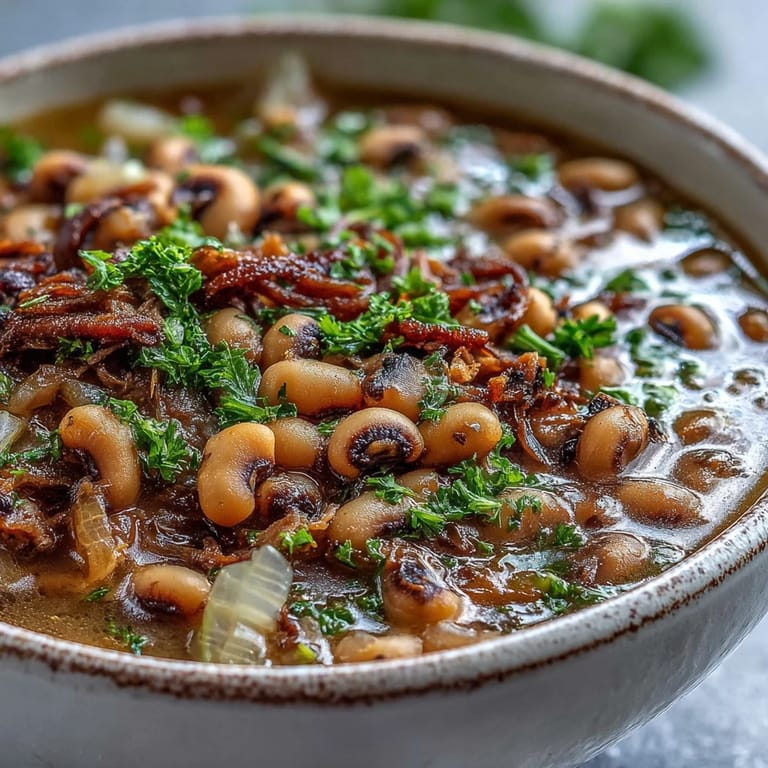
- Reduce the heat to low, cover the pot, and let it bubble gently for about 1½ hours, stirring every 20 minutes or so. The peas will gradually soften from firm little bullets into creamy, tender spheres, and the pork will give up its meat to the broth willingly.
- Finish with the pork meat and season to taste:
- Fish out those pork bones, shred any meat clinging to them, and return the good stuff back to the pot while discarding the bones and any excess fat. Taste the broth and add salt until it feels right—this is your moment to make it yours.
 Save
Save There was this particular moment last January when my neighbor stopped by as the pot was simmering, and she stood in my kitchen doorway just breathing in the steam, her eyes getting a little misty. She didn't say much, just asked if she could have some when it was ready, and I realized then that this dish carries something bigger than ingredients—it carries permission to slow down, to honor the people around you, to believe in fresh starts.
The Tradition Behind the Luck
Black-eyed peas on New Years Day is a superstition rooted in real history, connected to the Civil War when Union soldiers passed over black-eyed pea crops as animal feed while taking everything else. The people who remained found nourishment in what was overlooked, and that survival became a symbol of resilience and good fortune. Whether you believe in the luck or not, there's something powerful about eating something that means persistence, about starting a new year with food that tastes like gratitude.
Making It Your Own
This recipe is flexible in ways that matter. Some families add diced tomatoes in the last 30 minutes for brightness; others stir in a splash of apple cider vinegar at the end for a subtle tang. The spice level is entirely up to you—taste your Creole seasoning first, and if it's mild, don't be shy about adding more or supplementing with cayenne pepper. The beauty of black-eyed peas is that they're humble enough to accept your changes while still feeling like themselves.
Serving and Storage Wisdom
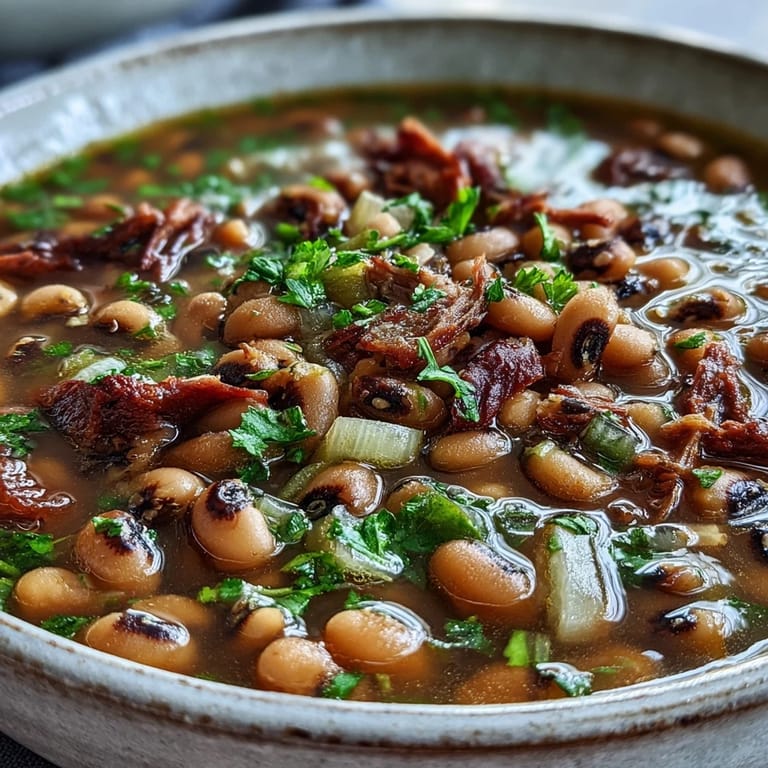
Serve these peas hot over rice, alongside cornbread that's still warm enough to melt butter into, and with a bottle of hot sauce within arm's reach for anyone who wants extra fire. The leftovers are genuinely better the next day after the flavors have married overnight in the refrigerator, and the peas freeze beautifully for up to three months if you ever want to chase this comfort feeling in the middle of summer.
- Reheat gently on the stovetop with a splash of water or broth to restore the creamy consistency without breaking down the peas.
- If you're vegetarian, skip the pork entirely and use smoked paprika plus a teaspoon of liquid smoke to anchor the flavor.
- Collard greens cooked with bacon or a ham hock are the traditional side dish, completing the symbolic New Years meal that's been feeding families for generations.
 Save
Save This is the recipe I'll make every New Years for the rest of my life, partly because of the tradition, but mostly because it reminds me that taking care of people through food is one of the truest things we can do. Start your year with this pot of peas and see what happens.
Recipe FAQs
- → Do I need to soak black-eyed peas before cooking?
Yes, soak dried black-eyed peas overnight in water, then drain and rinse. For a faster method, cover with boiling water and let sit for one hour before draining and proceeding with the dish.
- → Can I make this vegetarian?
Absolutely. Omit the smoked pork bones and add extra smoked paprika along with a splash of liquid smoke to maintain that deep, smoky flavor profile that makes this dish special.
- → What's traditionally served with black-eyed peas?
Collard greens and cornbread complete the traditional Southern New Years meal, representing prosperity and wealth. Many also serve these tender peas over steamed white rice.
- → How long do leftovers keep?
Leftovers freeze beautifully for up to three months. Store in airtight containers and reheat gently on the stove, adding a splash of water or broth if needed to restore consistency.
- → What cut of smoked meat works best?
Smoked pork neck bones provide excellent flavor, but smoked ham hocks or a smoked turkey leg work wonderfully too. The meat becomes tender enough to shred back into the pot.