 Save
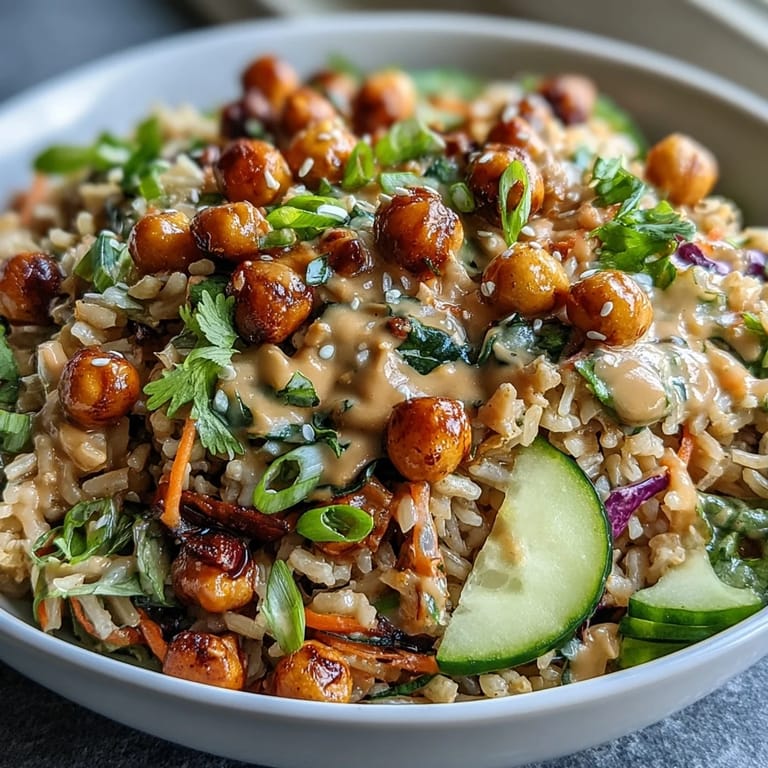
Save There's something about a bowl that feels less like cooking and more like assembling a small masterpiece. I discovered this peanut chickpea rice bowl on a Tuesday afternoon when I had exactly what was in my pantry and nothing else, refusing to order takeout for the third time that week. The brown rice was already on the stove, the chickpeas were staring at me from a can, and somehow mixing peanut butter with soy sauce and ginger felt like the obvious answer. Twenty minutes later, I was eating something so satisfying that it became my go-to lunch for the next month, tweaked and perfected with each batch.
I made this for my friend Marcus who'd just started eating plant-based, and he kept asking for the dressing recipe between bites. He was expecting something worthy of a sacrifice, but instead got something he actually wanted to eat again. Watching someone's face light up when they realize healthy food can taste this good never gets old.
Ingredients
- Brown rice: Use the 30-minute kind if you're in a hurry, and always rinse it first because that's what actually prevents the gummy texture everyone complains about.
- Water: The ratio matters, but so does letting it sit covered after cooking so the grains finish softening without any direct heat.
- Salt: A quarter teaspoon in the cooking water seasons the rice from the inside, which is where it actually counts.
- Cooked chickpeas: Canned works perfectly fine, but drain and rinse them thoroughly or they'll make your bowl taste tinny and metallic.
- Roasted unsalted peanuts: The crunch is half the appeal here, so don't skip it or chop them too fine because that defeats the whole purpose.
- Shredded carrot: The sweetness balances the salty dressing, and shredding takes longer than slicing but it actually cooks slightly softer when mixed with warm rice.
- Shredded red cabbage: It stays crisp longer than green cabbage and the color makes the bowl actually look worth eating before you even taste it.
- Thinly sliced cucumber: Add this right before serving or it gets sad and watery, which I learned the hard way by prepping too far ahead.
- Scallions: The white and green parts have different flavors, so use both for actual depth instead of just throwing them in as garnish.
- Fresh cilantro: Optional but genuinely elevates the whole thing if you're not one of those people who thinks it tastes like soap.
- Creamy peanut butter: Use the kind with just peanuts and salt, because the oil-free versions make a gluey dressing that won't thin out properly.
- Soy sauce: The umami glue that makes everything taste intentional instead of like separate ingredients piled together.
- Maple syrup or honey: A little sweetness tames the saltiness and makes the dressing feel balanced rather than aggressively savory.
- Rice vinegar or lime juice: This is what gives the dressing brightness, so don't skip it thinking it's optional because the whole bowl gets flat without it.
- Sesame oil: Just a teaspoon is enough to add a warmth that makes people ask what that amazing smell is.
- Warm water: Start with less and add gradually because peanut butter thickens as it cools, and you want it pourable not pourable-ish.
- Fresh ginger: Grate it finely so you get those little sharp pockets of flavor throughout the dressing instead of big chewy pieces.
- Garlic clove: Minced small enough that it almost disappears but adds a savory undertone that makes the whole thing taste more sophisticated.
- Chili flakes: A pinch adds intrigue without heat, but if you love spice don't hold back because it actually works here.
Tired of Takeout? 🥡
Get 10 meals you can make faster than delivery arrives. Seriously.
One email. No spam. Unsubscribe anytime.
Instructions
- Rinse and start your rice:
- Run the brown rice under cold water in a fine mesh strainer while rubbing the grains gently between your fingers, watching the water go from cloudy to almost clear. This step actually matters because it washes off the starch that would make everything clumpy, so don't skip it even though it feels fussy.
- Combine and simmer:
- Pour the rinsed rice into a medium saucepan with water and salt, bring it to a rolling boil so you know the water is actually hot, then lower the heat immediately and cover it tight. Set a timer for 30 to 35 minutes and resist opening the lid every five seconds because steam escapes and throws off the timing.
- Let it rest:
- When the timer goes off and the water has been absorbed, leave the covered pot sitting for five more minutes so the residual heat finishes the job and the grains separate instead of clumping. Then fluff with a fork and you're done, which feels anticlimactic until you taste how perfect it is.
- Whisk your dressing together:
- Put peanut butter in a small bowl and start whisking in the soy sauce, maple syrup, rice vinegar, sesame oil, ginger, and garlic, watching it transform from thick paste to something that actually moves. Add warm water one tablespoon at a time until it reaches the consistency of heavy cream, because cold dressing thickens and you want it to actually coat the rice.
- Prep your vegetables:
- Use a box grater or vegetable shredder for the carrot and cabbage because it's faster than knife work and actually more uniform. Slice the cucumber and scallions thin enough that they're pleasant to bite through instead of chewy, and roughly chop the cilantro if you're using it.
- Assemble with intention:
- Divide the warm rice among four bowls, then arrange the chickpeas and peanuts and all your colorful vegetables on top like you're creating something intentional instead of just mounding everything together. This matters because part of eating with your eyes first, and a scattered bowl looks more appetizing than a jumbled one.
- Drizzle and finish:
- Pour the peanut dressing over everything generously, letting it pool slightly so the warm rice absorbs it while the vegetables stay crisp. Top with extra cilantro and peanuts if you want, then serve immediately while the rice is still warm and the vegetables are still snappy.
 Save
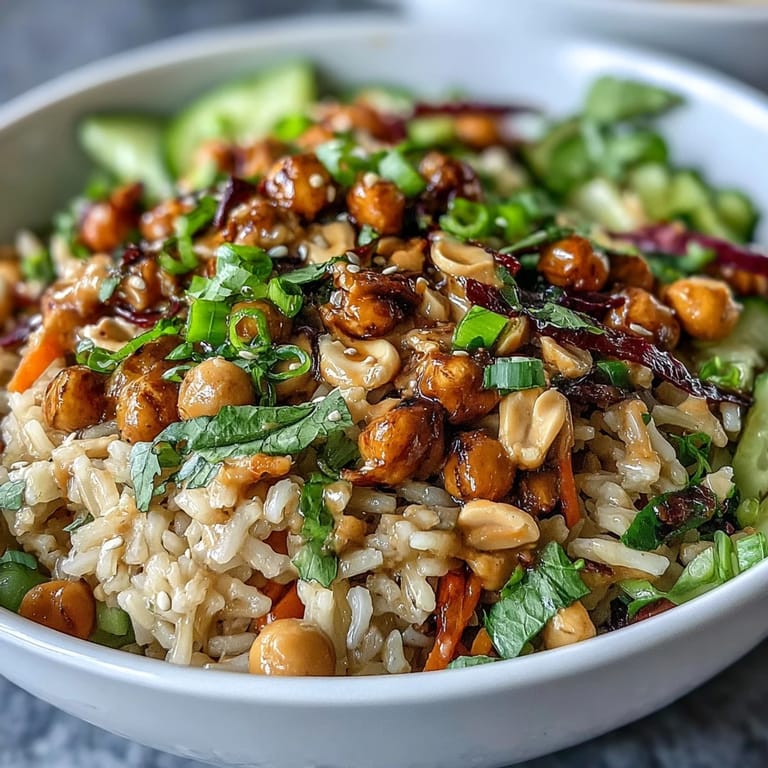
Save My roommate came home while I was eating one of these and asked why the kitchen smelled like a Thai restaurant, then sat down and ate half my bowl before asking if I'd made it myself. That moment of someone being genuinely surprised that something this good came from our tiny kitchen with the broken oven has stuck with me, probably more than it should have.
Why This Bowl Works as Lunch
There's something almost meditative about eating from a bowl where every bite is slightly different because the flavors haven't homogenized yet. The warm rice softens the vegetables just slightly while the peanut dressing seeps down and the peanuts stay crunchy because they're on top, so you get this constant textural conversation happening. It's substantial enough that you're actually satisfied, but light enough that you don't feel like napping afterward, which is honestly the sweet spot for midday eating.
Make It Your Own
The beautiful thing about this bowl is that it's genuinely flexible without becoming unrecognizable. I've made it with shredded beets instead of carrot because that's what was in the fridge, and the earthiness actually works. Bell peppers, edamame, roasted broccoli, steamed bok choy, whatever vegetables you're drawn to will work because the peanut dressing is such a strong flavor anchor that it pulls everything into harmony.
The Dressing is Everything
I've come to realize that the dressing is actually the soul of this bowl, and getting it right is what separates a collection of ingredients from something that actually tastes intentional. The balance between salty, sweet, tangy, and nutty is what makes your brain want to take another bite, and it only takes a few tries to dial it in for your own taste. Once you've nailed your version, make a double batch and keep it in the fridge because it lasts almost a week and suddenly every grain bowl, salad, and vegetable platter becomes infinitely more interesting.
- Taste the dressing before you commit it to the entire bowl so you can adjust the warmth and flavor to match your mood that day.
- If the dressing breaks and looks separated, whisk it vigorously with a splash of warm water and it'll come back together without drama.
- Keep extra dressing on the side at dinner so everyone can add more if they want it saucier than you made it.
 Save
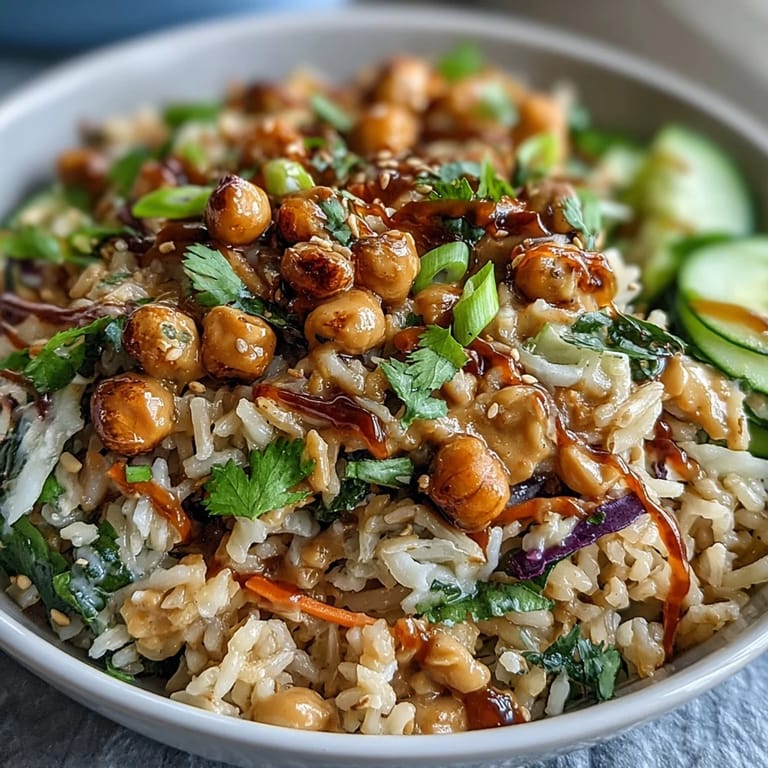
Save This bowl became my secret weapon for eating well without it feeling like a punishment, and I keep coming back to it because it tastes better than it should given how simple it actually is. There's real comfort in knowing you can feed yourself something this nourishing with ingredients that are mostly pantry staples.
Recipe FAQs
- → Can I make this bowl ahead of time?
Yes, you can prepare the rice, chop the vegetables, and mix the dressing up to 2 days in advance. Store components separately in airtight containers in the refrigerator. Assemble just before serving to maintain freshness and texture.
- → What can I substitute for peanut butter?
Almond butter, cashew butter, or sunflower seed butter work well as alternatives. For a nut-free option, try tahini or add extra sesame oil to the dressing. The flavor profile will shift slightly but remain delicious.
- → How do I store leftovers?
Store assembled leftovers in an airtight container in the refrigerator for up to 3 days. Keep the dressing separate if possible, and add just before eating. The rice may absorb some dressing, so you might need to thin it with a little water before serving.
- → Can I use white rice instead of brown?
Absolutely. White rice cooks faster in about 18-20 minutes and has a softer texture. Adjust cooking time accordingly and reduce water slightly to 1 3/4 cups. The bowl will still be satisfying and delicious.
- → Is this bowl gluten-free?
Yes, if you use tamari instead of regular soy sauce. All other ingredients are naturally gluten-free. Always check packaged ingredients to ensure they haven't been processed in facilities that handle gluten.
- → Can I add protein beyond chickpeas?
Certainly. Grilled tofu, baked tempeh, or edamame would complement the flavors beautifully. If you're not strictly vegan, grilled chicken, shrimp, or a fried egg would also work well as additional protein sources.