 Save
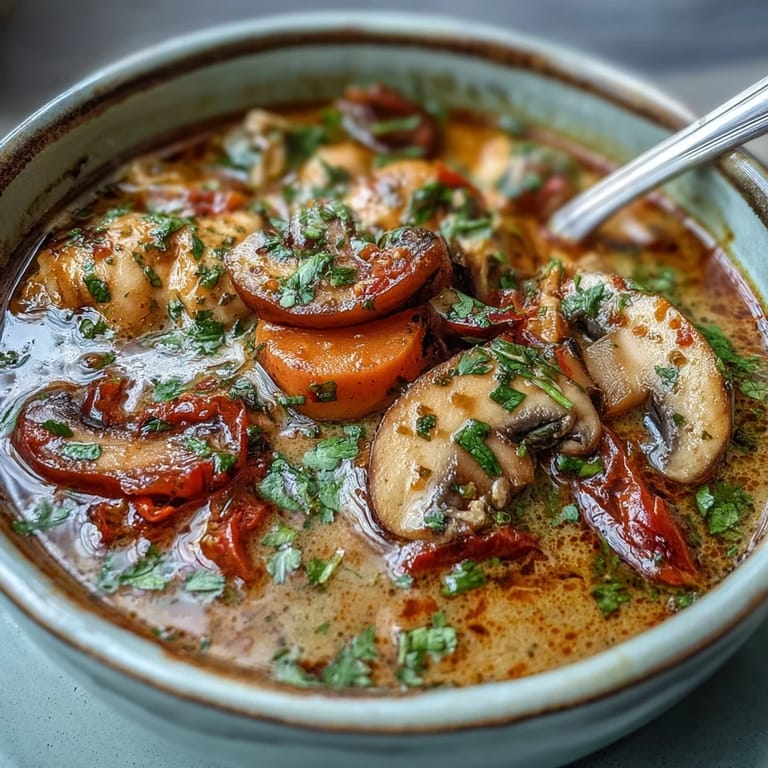
Save The first time I made Thai coconut curry soup was during a thunderstorm that knocked out our power. Working by candlelight, I chopped vegetables while rain drummed against the windows, creating this unexpected moment of tranquility. The aromatic blend of lemongrass, ginger and curry paste filled our darkened kitchen, somehow making the storm outside feel less threatening. By the time electricity returned, we were already sitting cross-legged on the living room floor, slurping hot, fragrant soup from mismatched bowls, laughing about our impromptu candlelit dinner.
Last winter, my neighbor broke her ankle and was housebound for weeks. I started bringing over different soups, but this Thai coconut curry version sparked something special. She texted me after dinner that night saying the fragrant steam had cleared her sinuses better than any medication, and the warmth of the curry had momentarily made her forget her discomfort. Now whenever either of us is feeling under the weather, this soup appears on doorsteps without even asking.
Ingredients
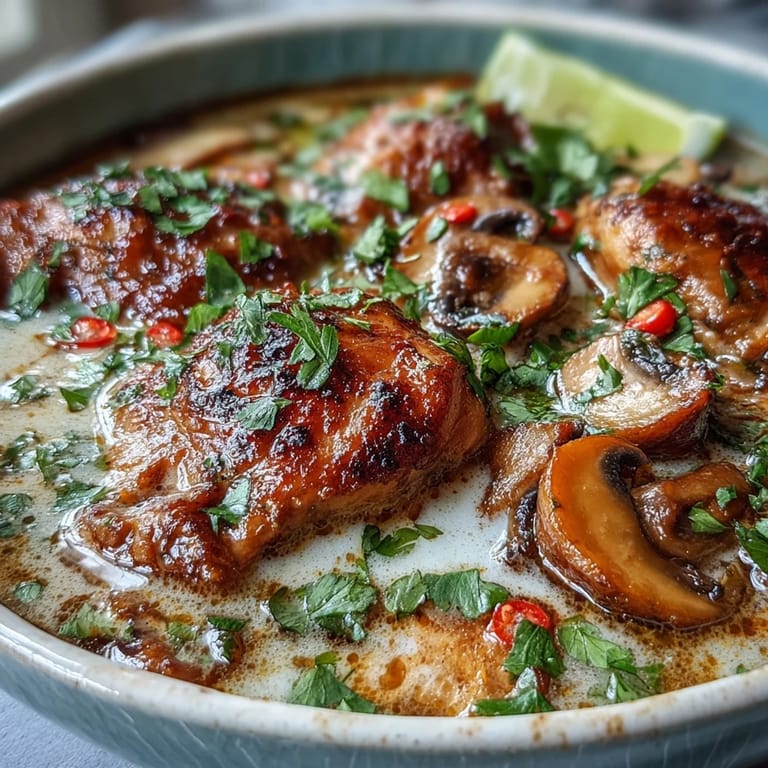
- Boneless chicken thighs: Dark meat stays tender even with longer cooking times, a lesson I learned after my first attempt with breast meat turned disappointingly dry.
- Full-fat coconut milk: The light version simply doesn't create that silky, rich broth that makes this soup so comforting when you need it most.
- Red curry paste: The store-bought paste varies wildly in heat level between brands, so I always start with less and add more after tasting.
- Lemongrass: Bruising it releases those citrusy oils that perfume the entire pot without overwhelming the other flavors.
- Jasmine rice: It absorbs the flavors while cooking directly in the broth, creating a slightly thickened consistency that's more satisfying than serving rice separately.
Tired of Takeout? 🥡
Get 10 meals you can make faster than delivery arrives. Seriously.
One email. No spam. Unsubscribe anytime.
Instructions
- Start with aromatics:
- Heat a splash of oil in your pot until it shimmers, then add those chopped onions, minced garlic, and grated ginger. The kitchen will immediately fill with that warming scent that makes everyone ask what you're cooking.
- Bloom the curry paste:
- Stir in that vibrant red curry paste and let it sizzle just briefly. You'll notice the oil taking on a beautiful orange-red hue as the spices wake up.
- Sear the chicken:
- Toss in your chicken pieces and give them a good stir to coat with that fragrant curry mixture. They don't need to cook through yet, just pick up some color and flavor.
- Build your broth base:
- Pour in that chicken stock and watch it bubble up, then add your vegetables, rice, lemongrass, and lime leaves. The pot will look quite full of ingredients floating in broth at this point.
- Simmer until tender:
- Let everything bubble away uncovered, stirring occasionally as the rice plumps up and the vegetables soften. The chicken will become tender enough to break apart with gentle pressure from your spoon.
- Enrich with coconut milk:
- Stir in that creamy coconut milk along with the fish sauce and brown sugar. The broth will transform before your eyes into something luxurious with a silky texture.
- Balance the flavors:
- Fish out those lemongrass pieces and lime leaves, then squeeze in fresh lime juice. This final acidic note brightens everything up and cuts through the richness.
- Garnish generously:
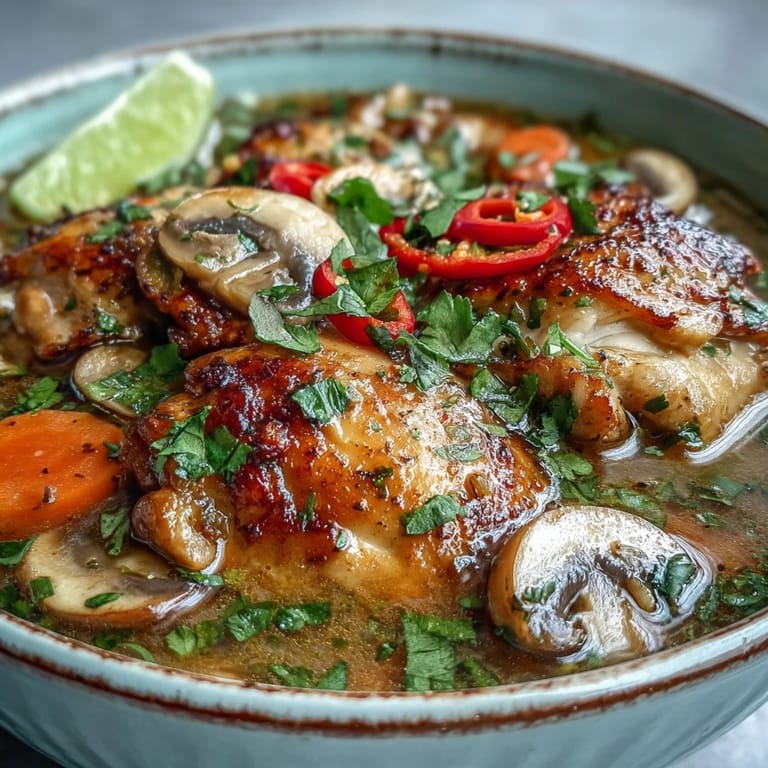
- Ladle into bowls and top with fresh herbs and maybe some chili if you're feeling brave. The contrast between the hot soup and cool, fresh toppings makes each bite interesting.
 Save
Save My colleague from Thailand tried this soup during our office potluck and grew quiet after the first spoonful. I worried I'd somehow offended her with my interpretation until she looked up with misty eyes and said it reminded her of what her grandmother made when she was sick as a child. She asked for the recipe but then laughed, saying her grandmother never measured anything either, just cooked by feeling and memory. That moment taught me how food connects us across cultures and generations, even when we adapt recipes to what we have available.
Making It Your Own
The beauty of this recipe lies in its adaptability to whatever proteins and vegetables you have on hand. When my vegetarian sister visits, I swap the chicken for firm tofu cubes and use vegetable broth instead of chicken. On busy weeknights when the fridge looks sparse, I've tossed in frozen peas, canned baby corn, or even leftover roasted vegetables from the night before. The coconut-curry base forgives these improvisations, wrapping everything in its aromatic embrace.
Storing and Reheating
This soup actually improves overnight as the flavors continue to deepen and meld together in the refrigerator. However, the rice will continue absorbing liquid, turning the leftovers into something closer to a stew by the second day. I sometimes add a splash of coconut milk or broth when reheating to bring it back to soup consistency. For freezing portions, I've found it best to freeze before adding the rice, then cook fresh rice directly in the thawed soup base.
Serving Suggestions
While this soup is a complete meal on its own, I've found certain accompaniments elevate the experience even further. A simple cucumber salad dressed with rice vinegar and a touch of sugar provides a cooling contrast to the warm spices. Sometimes I'll quickly fry some wonton wrappers until crisp and golden to serve alongside for dipping into that flavorful broth.
- For a casual gathering, set out small bowls of extra toppings like bean sprouts, Thai basil, and crispy fried shallots so everyone can customize their bowl.
- Keep a bottle of chili oil on the table for heat-lovers to add as much kick as they desire without making the base soup too spicy for sensitive palates.
- Serve with cold beer or Thai iced tea to balance the warmth of the curry, especially during summer months when you still crave these flavors.
 Save
Save This Thai coconut curry soup has taught me that comfort food doesn't have to be what you grew up with to feel like home. Sometimes the most soothing meals come from cultures halfway around the world, speaking to something universal in all of us.
Recipe FAQs
- → Can I make this soup vegetarian?
Absolutely. Substitute the chicken with firm tofu or extra vegetables, and replace the fish sauce with soy sauce or a vegetarian fish sauce alternative for a delicious plant-based version.
- → Is red curry paste very spicy?
Red curry paste typically provides moderate heat. Start with 2 tablespoons and adjust to your preference. You can always add more, but you can't reduce the heat once it's added.
- → Can I use brown rice instead of jasmine?
Yes, though brown rice requires a longer cooking time. Consider par-cooking it separately or adding it 10 minutes earlier to ensure it's fully tender.
- → How long does this soup keep in the refrigerator?
Store in an airtight container for up to 4 days. The rice will absorb more liquid as it sits, so you may need to add extra broth or water when reheating.
- → Can I freeze this soup?
Yes, freeze for up to 3 months. However, the rice texture may change slightly upon thawing. For best results, freeze without the rice and cook fresh rice when serving.
- → What can I use if I don't have lemongrass?
Lemon zest adds a bright citrus note, though it's not identical. Alternatively, look for lemongrass paste in tubes at specialty markets, or simply omit it—the soup will still be delicious.