 Save
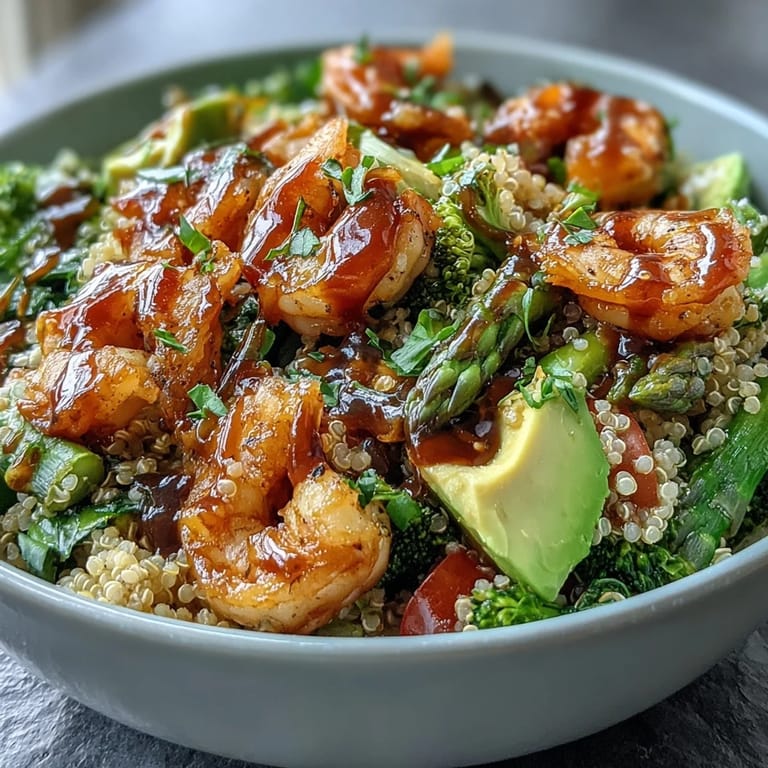
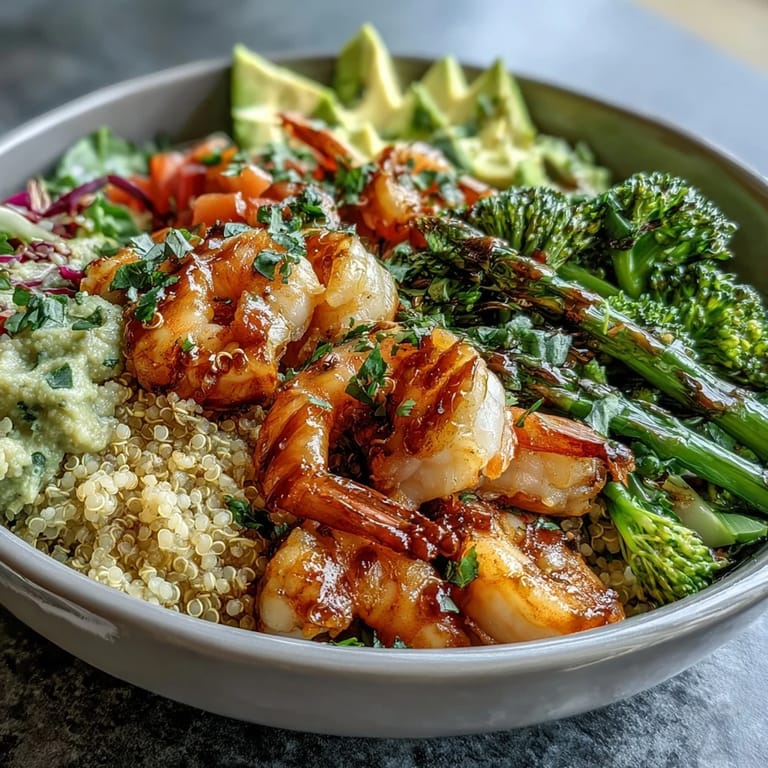
Save There's something about assembling a Buddha bowl that feels like creating edible art on a Tuesday afternoon when you're craving something that actually makes you feel good. I discovered this particular combination while trying to use up a bag of quinoa and some shrimp that needed cooking, and it became the meal I keep coming back to when I want nourishment without the heaviness. The colors alone—that vibrant red cabbage, bright green broccoli, creamy avocado—somehow make you want to eat it before you even taste it. What really sold me was how quickly it all comes together, and the way the warm shrimp contrasts with the cool, crisp vegetables.
I made this for my friend Sarah on a Saturday when she was going through one of those phases where she was trying to reset her eating habits, and watching her face light up when she took that first bite told me everything. She kept asking if it was complicated, and when I showed her how straightforward it actually was, she started making it three times a week. That's when I knew this wasn't just a recipe—it was the kind of thing that sticks with people because it tastes good and makes them feel capable in the kitchen.
Ingredients
- Large shrimp (200 g, about 7 oz), peeled and deveined: The larger they are, the less they'll shrivel up during cooking, and they'll give you that satisfying protein moment in each bite.
- Quinoa (100 g or ½ cup uncooked): Rinse it thoroughly before cooking or you'll taste a bitter, soapy flavor that will haunt you—I learned this the hard way.
- Water (250 ml or 1 cup): Use filtered water if you have it, as it actually improves the quinoa's flavor profile.
- Broccoli florets (100 g or 1 cup): Blanching them briefly keeps them crisp instead of turning them to sad mush, which changes everything about the bowl.
- Asparagus (100 g), trimmed and cut into 2-inch pieces: The tips get tender while the stalks stay snappy when you blanch them quickly.
- Red cabbage (100 g), thinly sliced: The color won't fade if you don't cook it, and it adds a pleasant peppery crunch.
- Medium tomato, diced: Add it at the very end or it'll release its water into the bowl and make everything soggy.
- Ripe avocado, sliced: Cut it right before assembling, and if you're worried about browning, a squeeze of lemon juice on the flesh will help.
- Extra virgin olive oil (2 tbsp): This is worth splurging on because you'll actually taste it in the dressing, unlike when it's cooked.
- Balsamic vinegar (1 tbsp): Use a decent quality one—the cheap stuff tastes thin and artificial.
- Salt and freshly ground black pepper, to taste: Always taste as you go and adjust; seasoning is what separates good bowls from forgettable ones.
- Fresh parsley or cilantro, chopped (1 tbsp, optional): Cilantro brings brightness if you're not one of those people who finds it soapy.
- Lemon wedges, for serving: That final squeeze of acid right before eating ties everything together beautifully.
Tired of Takeout? 🥡
Get 10 meals you can make faster than delivery arrives. Seriously.
One email. No spam. Unsubscribe anytime.
Instructions
- Prepare your quinoa base:
- Rinse the quinoa under cold running water until the water runs clear—this removes the natural coating that tastes bitter. Combine with fresh water in a saucepan, bring to a boil, then cover and simmer on low heat for 12 to 15 minutes until the water is fully absorbed and you see those little spiral tails popping out.
- Blanch your vegetables while quinoa cooks:
- Get a pot of lightly salted water to a rolling boil and add your broccoli and asparagus for just 2 to 3 minutes—you want them still snappy, not soft. Drain them immediately and plunge into a bowl of cold water to shock them and stop the cooking.
- Sear the shrimp until pink:
- Heat a teaspoon of olive oil in a skillet over medium-high heat and lay in your shrimp in a single layer, seasoning with salt and pepper as they hit the pan. Sauté for about 2 to 3 minutes per side until they curl up and turn opaque pink—overcooked shrimp becomes rubbery and sad.
- Build your dressing:
- In a small bowl, whisk together the remaining olive oil, balsamic vinegar, and a pinch each of salt and pepper until it looks emulsified. Taste it and adjust—sometimes you want more acid, sometimes more oil depending on your vegetables.
- Assemble with intention:
- Divide your quinoa between two bowls and arrange the shrimp, broccoli, asparagus, cabbage, tomato, and avocado in sections around it like you're creating something beautiful. Drizzle generously with dressing and finish with fresh herbs and a lemon wedge for brightness.
 Save
Save There was this moment when my mom tried the bowl and asked if I'd learned to cook like this somewhere fancy, and I realized that's what makes this recipe special—it feels elevated but it's genuinely simple. That's the kind of meal that makes people think you're more skilled in the kitchen than you actually are, which is exactly the vibe we're going for.
The Magic of Temperature Contrast
What makes this bowl feel complete instead of just like a pile of vegetables is the contrast between warm quinoa and shrimp against the cool crispness of the raw vegetables. When you eat them together, your palate stays engaged instead of getting bored. The warm elements bring out the natural sweetness of the vegetables, while the cold components add texture and brightness that would be lost if everything was served warm.
Customizing Your Bowl Seasonally
I've made this bowl in summer with heirloom tomatoes and in winter with roasted sweet potato slices instead of some of the raw veggies, and it works beautifully both ways. The formula is solid enough that you can swap proteins—grilled chicken or crispy tofu work just as well as shrimp—and adjust vegetables based on what's in season. The key is keeping that balance of protein, whole grain, and vegetables in roughly equal portions so nothing dominates.
Building Flavor Without Extra Calories
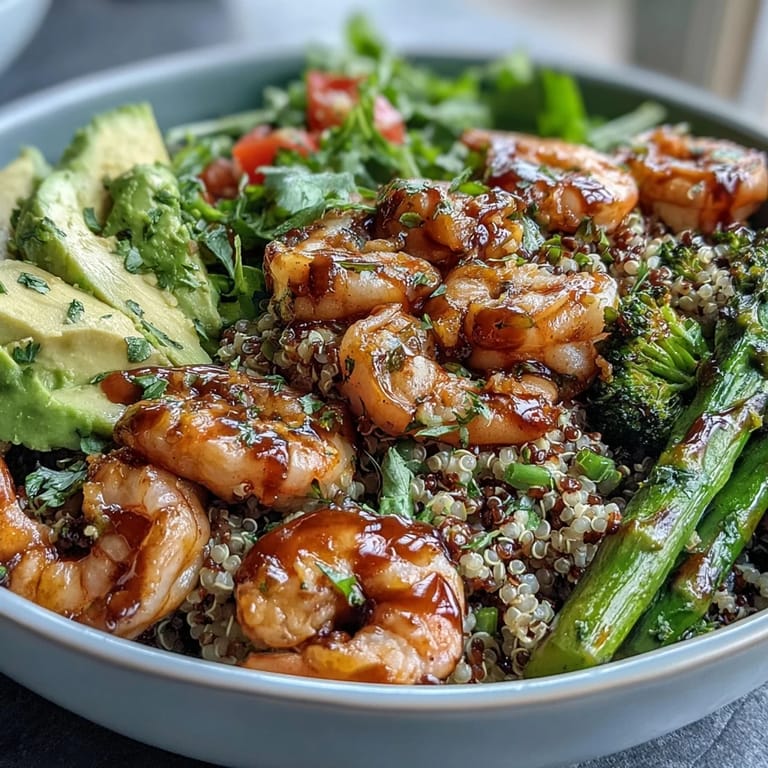
This dressing approach taught me that you don't need cream or mayo to make something taste luxurious; good oil, good vinegar, and proper seasoning are genuinely enough. I started tasting the dressing separately first—some people like it more vinegary, others prefer more oil—and letting people adjust at the table instead of deciding for them. The herbs at the end aren't just decoration; they're the final flavor note that makes everything feel intentional instead of accidental.
- Always emulsify your dressing just before drizzling so the oil and vinegar actually combine instead of separating.
- If you're meal prepping, keep the dressing separate and dress the bowl right before eating for maximum crispness.
- A squeeze of fresh lemon is the secret finishing touch that ties all the flavors together beautifully.
 Save
Save This bowl became my go-to whenever I want something that tastes indulgent but leaves me feeling genuinely nourished, and that's a rare and beautiful thing. It's the kind of meal you make for yourself on a Tuesday and also the kind you're proud to serve to people you care about.
Recipe FAQs
- → Can I make this bowl ahead of time?
Yes, you can prepare the quinoa and blanched vegetables up to 2 days in advance. Store them separately in airtight containers in the refrigerator. Cook the shrimp fresh and assemble just before serving for the best texture and flavor.
- → What other proteins work well in this bowl?
Grilled chicken breast, pan-seared salmon, baked tofu, or even hard-boiled eggs make excellent protein alternatives. Each brings its own nutritional profile and pairs beautifully with the balsamic dressing and fresh vegetables.
- → How do I know when the shrimp are perfectly cooked?
Shrimp are done when they turn pink and opaque throughout, curling slightly. This typically takes 2-3 minutes per side over medium-high heat. Avoid overcooking as shrimp can become rubbery and tough.
- → Can I use other grains instead of quinoa?
Absolutely. Brown rice, farro, bulgur, or even cauliflower rice for a low-carb option work wonderfully. Adjust cooking times accordingly and ensure your grain is fluffy and fully cooked before assembling.
- → What vegetables can I substitute seasonally?
Feel free to swap in roasted sweet potato, bell peppers, cucumber, shredded carrots, or fresh greens like spinach or kale. The beauty of a Buddha bowl is its versatility—use whatever fresh produce you have on hand.
- → Is the dressing customizable?
Certainly. Add a teaspoon of Dijon mustard for creaminess, a touch of honey for sweetness, or minced garlic for extra depth. You can also substitute lemon juice for some of the balsamic vinegar for a brighter flavor.