 Save
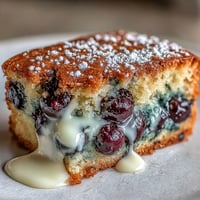
Save Last spring, I watched a friend arrange edible violets on a cake while afternoon sunlight streamed through her kitchen window, and I realized that sometimes dessert is less about perfection and more about that moment when something beautiful becomes real. This lemon drip cake emerged from wanting to capture that feeling—the brightness of citrus, the softness of vanilla sponge, and those delicate flowers that somehow make everything taste like celebration. It's the kind of cake that looks like it took hours but rewards you with something surprisingly manageable and utterly showstopping.
I made this cake for my neighbor's garden party, and watching guests pause mid-conversation to photograph their plates before eating felt like the highest compliment. There's something about edible flowers that makes people slow down, and the lemon's brightness paired perfectly with the afternoon's warmth. That's when I understood this cake isn't just dessert—it's permission to make ordinary moments feel special.
Ingredients
- All-purpose flour (2 ½ cups): The foundation of a tender crumb; sifting it with the baking powder prevents dense pockets that ruin texture.
- Baking powder (2 ½ tsp): This is your lift, so don't skip or reduce it—I learned that lesson when my first cake came out flat.
- Salt (½ tsp): A tiny amount that quietly amplifies the lemon and vanilla without announcing itself.
- Unsalted butter (1 cup for sponge, 1 cup for frosting): Softened butter creates that light, fluffy crumb that makes the cake feel less heavy than it is.
- Granulated sugar (1 ¾ cups): Creamed properly with butter, it aerates the batter and contributes to that delicate structure.
- Large eggs (4, room temperature): Cold eggs won't incorporate smoothly, so take them out 30 minutes before you start.
- Vanilla extract (1 tbsp): A full tablespoon ensures the vanilla comes through beneath the lemon without overpowering it.
- Whole milk (1 cup): Room temperature milk prevents temperature shock to your batter and creates a more even crumb.
- Powdered sugar (4 cups): Sifted first, always—lumps in frosting are a sign of rushing, and this frosting deserves patience.
- Fresh lemon juice (2 tbsp) and lemon zest (2 tsp): Fresh lemon is non-negotiable here; bottled juice tastes flat and one-dimensional by comparison.
- White chocolate chips or chopped white chocolate (1 cup): Finely chopped chocolate melts more evenly than chips and creates a silky ganache.
- Heavy cream (⅓ cup): This ratio creates a pourable ganache that's thick enough to cling to the cake edges but fluid enough to drip gracefully.
- Edible flowers (violets, pansies, or rose petals): These are the showstopper—source them from specialty food shops or farmers markets to ensure they're pesticide-free.
Tired of Takeout? 🥡
Get 10 meals you can make faster than delivery arrives. Seriously.
One email. No spam. Unsubscribe anytime.
Instructions
- Prepare your workspace and heat your oven:
- Preheat to 350°F (175°C) and grease three 8-inch round pans with parchment circles on the bottom—this small detail prevents sticking disasters. Have all ingredients at room temperature before you start; cold ingredients won't blend smoothly into that airy batter you're aiming for.
- Combine your dry ingredients:
- In a medium bowl, whisk flour, baking powder, and salt together thoroughly to distribute the leavening evenly. I like to whisk this mixture three times to ensure there are absolutely no hidden clumps of baking powder that could create dense spots.
- Cream butter and sugar until light and fluffy:
- Beat them together for 3–4 minutes; you want the mixture to look pale and almost cloud-like, which means air is incorporated. This step is where the magic happens—proper creaming gives the cake its tender, delicate crumb.
- Add eggs one at a time with patience:
- After each egg, beat for about 30 seconds before adding the next—this ensures smooth incorporation rather than a curdled-looking mixture. Add vanilla extract with the final egg.
- Alternate flour and milk, starting and ending with flour:
- Add a third of the flour mixture, then half the milk, then another third of flour, then the remaining milk, then the final flour portion, beating on low speed until just combined. Overmixing at this stage toughens the cake, so stop as soon as streaks of flour disappear.
- Divide batter and bake:
- Pour batter evenly among the three prepared pans and bake for 25–30 minutes until a toothpick inserted in the center comes out clean or with just a few moist crumbs. Cool cakes in their pans for 10 minutes, then turn out onto wire racks to cool completely—this prevents the bottoms from steaming and becoming soggy.
- Make the lemon frosting:
- Beat softened butter until creamy, gradually add sifted powdered sugar a cup at a time, then mix in lemon juice, zest, and milk until the frosting reaches a spreadable, not-too-stiff consistency. If it's too thick, add milk by the teaspoon; too thin, add more powdered sugar.
- Level and layer the cakes:
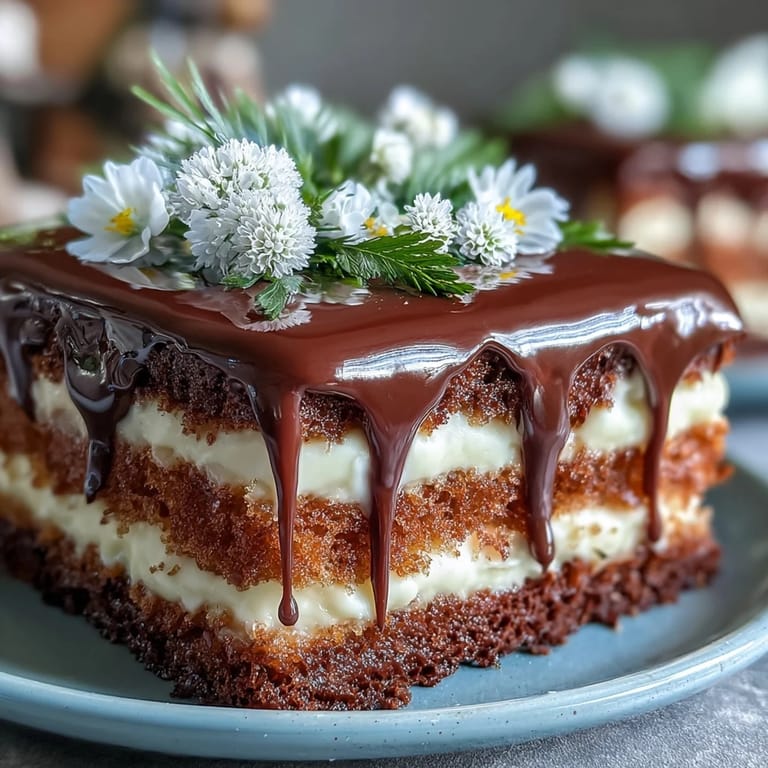
- If your cake layers have domed tops, level them with a serrated knife or cake leveler so they sit evenly. Place the first layer on your serving plate, spread a generous amount of frosting on top, repeat with the second layer, then crown with the third layer and frost the top and sides smoothly.
- Create the white chocolate ganache drip:
- Heat heavy cream until just simmering—don't let it boil or it will seize—then pour it over chopped white chocolate in a heatproof bowl. Let it sit for 2 minutes undisturbed, then stir gently until completely smooth and shiny.
- Drip and decorate:
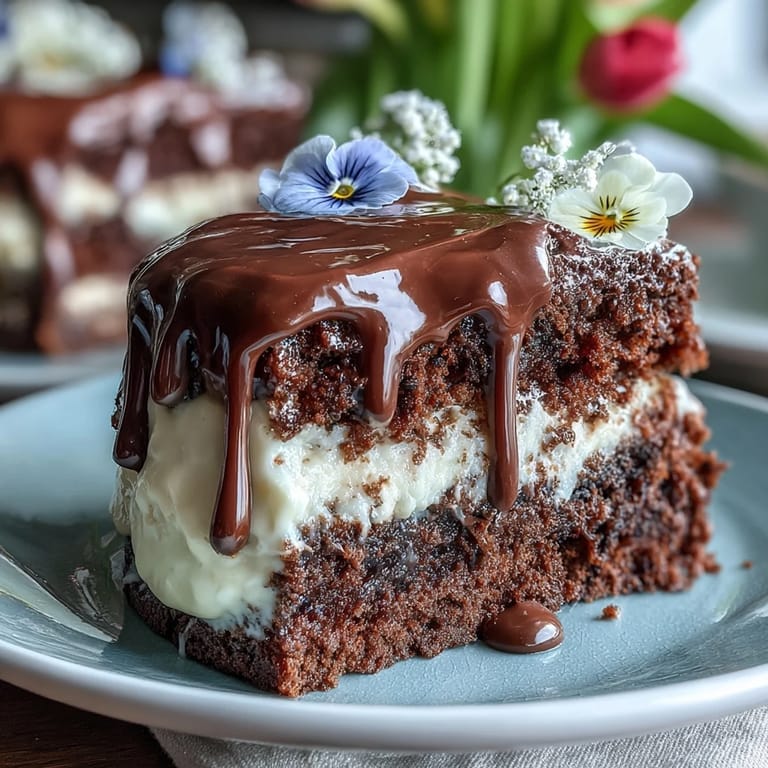
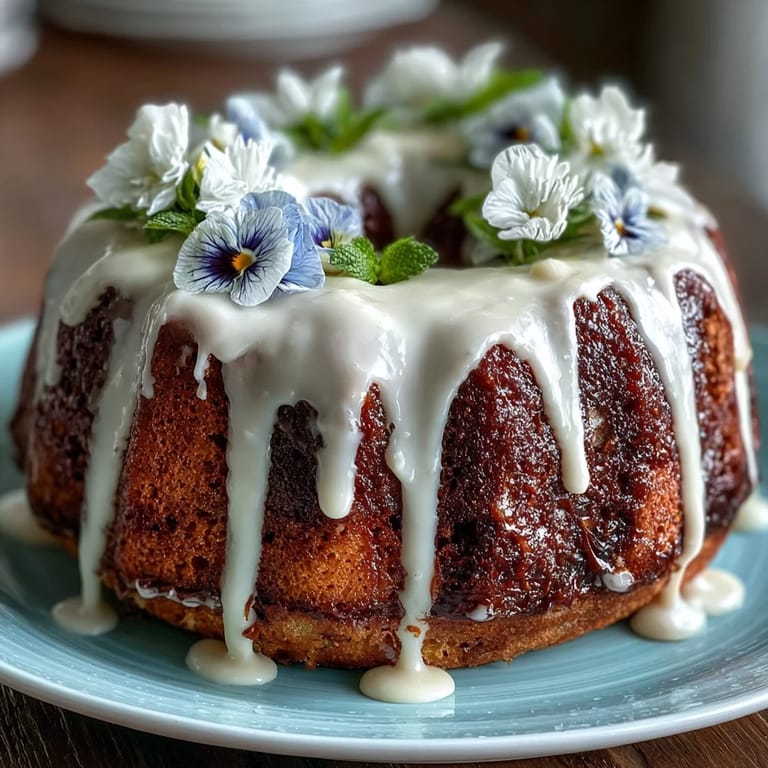
- Once the ganache is slightly thickened but still pourable (this takes about 10–15 minutes of cooling), use a spoon or squeeze bottle to gently drip it around the top edge of the cake, letting gravity pull it down the sides. Spread any remaining ganache across the top, then immediately decorate with edible flowers, sprinkles, and lemon zest before the ganache sets.
 Save
Save There's a quiet magic in watching someone take their first bite of a cake they weren't expecting to be this good—a moment where presentation and flavor align and suddenly dessert becomes memory. This cake does that, especially when served slightly cooled with sparkling wine on a spring afternoon.
The Science Behind the Softness
Vanilla sponge achieves its tender crumb through proper creaming and the careful balance of flour to liquid. The milk hydrates the flour while the butter's fat coats the flour particles, preventing them from developing too much gluten structure. Over-mixing triggers gluten formation, which tightens the cake, so I've learned to stop mixing the moment dry streaks disappear rather than chasing perfect smoothness.
Why Lemon and White Chocolate Work Together
Lemon frosting is naturally tangy and can taste sharp without something to soften its edges. White chocolate ganache provides that contrast—its sweetness and richness let the lemon shine without overwhelming the palate. The frosting's subtle acid and the ganache's mild sweetness create a balanced bite that tastes sophisticated without ever feeling heavy or cloying.
Timing, Storage, and Serving
This cake reaches its peak flavor when assembled a few hours before serving, which allows the frosting to set slightly and the flavors to meld together. The cake keeps well refrigerated for up to three days, though I recommend bringing it to room temperature 30 minutes before serving so the crumb softens and the lemon frosting tastes less dense.
- If you're baking ahead, wrap cooled cake layers individually in plastic wrap and freeze for up to a week—thaw at room temperature before frosting.
- Edible flowers should be added as close to serving time as possible so they stay fresh and vibrant.
- Pair each slice with Earl Grey tea or sparkling wine to amplify the lemon notes and make the moment feel even more intentional.
 Save
Save This spring floral drip cake asks very little of you except patience and presence—the kind of dessert that reminds you why baking matters. Make it for someone you want to see smile.
Recipe FAQs
- → How do I achieve a smooth white chocolate drip?
Heat heavy cream until just simmering, then pour over chopped white chocolate. Let sit briefly before stirring until smooth. Cool slightly to a pourable consistency before dripping.
- → What flowers are safe for decoration?
Use edible flowers like violets, pansies, and rose petals that are pesticide-free and food-safe to ensure safety and freshness.
- → Can I make this cake gluten-free?
Yes, substitute the all-purpose flour with a 1:1 gluten-free flour blend to adapt the sponge for gluten-free needs.
- → How should the cake be stored?
Store in the refrigerator for up to 3 days and bring to room temperature before serving for optimal texture and flavor.
- → What is the best way to layer and frost the cake?
After leveling cooled sponge layers, spread lemon frosting evenly between each layer and around the sides, smoothing carefully before adding the white chocolate drip.