 Save
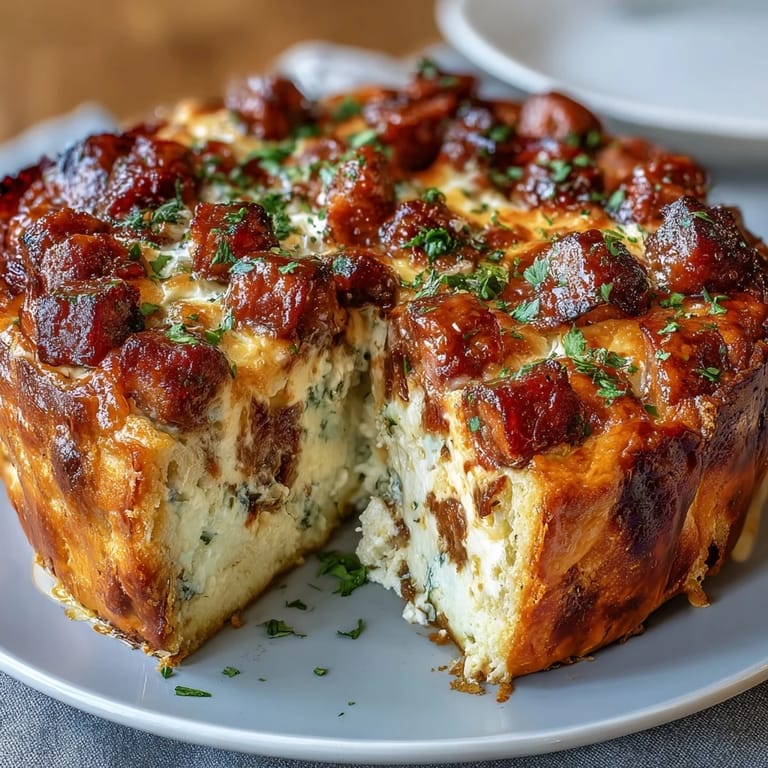
Save My aunt pulled this golden latticed pie from her oven on Easter morning, and the kitchen filled with the smell of salami and melted cheese in a way that made everyone stop talking. She'd learned it from her grandmother in Naples, who kept the recipe written on a card tucked inside an old cookbook, stained and worn from decades of use. That first bite, warm and creamy with those salty pockets of salami throughout, felt like tasting history. Now whenever I make it, I'm standing in that same kitchen with her voice in my head, telling me not to rush the filling or skip the lattice on top because it matters.
I made this for a potluck once without telling anyone what it was, and watching people try to describe the flavors was pure joy. Someone said it tasted like a savory dream, someone else called it a revelation, and my skeptical coworker came back for thirds. That's when I realized this pie has a quiet power to make ordinary moments feel celebratory, the way food should be.
Ingredients
- All-purpose flour: The foundation of your crust, and cold flour means flaky, tender layers that shatter beautifully when you bite through them.
- Unsalted butter, cold and cubed: Coldness is everything here because those little pockets of butter create steam, giving you that pastry shop texture you're chasing.
- Salt: Just enough to balance the richness without making anyone reach for water.
- Eggs for the pastry: These bind the dough and add richness, so they need to be fresh and cold before mixing.
- Cold water: Add it slowly because you're building a dough that holds together without becoming tough.
- Whole-milk ricotta cheese, well drained: The star of the filling, and draining it ahead of time prevents a watery pie that slides around on the plate.
- Heavy cream: This luxurious addition makes the filling silky and gives it that restaurant quality that feels indulgent.
- Parmigiano-Reggiano cheese: Its nutty, aged flavor is non-negotiable here and transforms the whole filling into something sophisticated.
- Italian salami, diced: Choose one you'd eat by itself because those little pockets of salty, spiced meat are what people remember.
- Mozzarella cheese, shredded: It melts into pockets of creaminess while the Parmigiano holds its shape and bite.
- Fresh parsley: A handful of green keeps the pie from feeling too heavy and adds a whisper of freshness.
- Black pepper and nutmeg: The nutmeg especially adds warmth and depth that makes people wonder what the secret ingredient is.
Tired of Takeout? 🥡
Get 10 meals you can make faster than delivery arrives. Seriously.
One email. No spam. Unsubscribe anytime.
Instructions
- Heat your oven and prepare the pan:
- Set the oven to 375°F and grease a 9-inch springform or deep pie pan so the pastry doesn't stick and tear when you're trying to remove it later. A springform pan is honestly worth the counter space for this because you can release the sides without the drama.
- Make the pastry dough:
- Combine flour and salt in a bowl, then cut in your cold butter cubes until everything looks like coarse breadcrumbs with pea-sized pieces still visible. Add eggs and just enough cold water to bring it together into a soft, slightly shaggy dough that you can handle without it sticking to your fingers.
- Rest and chill the dough:
- Wrap it in plastic and let it sit in the fridge for 20 minutes, which gives the gluten time to relax and makes rolling it out infinitely easier. This pause might feel like wasted time, but it's actually when the magic happens.
- Line the pan with pastry:
- Roll out two-thirds of the dough until it's about 1/8-inch thick and drape it into your prepared pan, letting the edges hang over the side generously. This overhang is your safety margin for crimping later.
- Prepare the rich filling:
- In a large bowl, whisk together ricotta, eggs, heavy cream, and both cheeses until smooth, then fold in the salami, parsley, pepper, nutmeg, and salt until the salami is evenly distributed throughout. The filling should look creamy but substantial, studded with those little pockets of salty meat.
- Fill the pie and top with lattice:
- Pour the filling into your pastry-lined pan and smooth the top with the back of a spoon, then roll out your remaining dough and cut it into strips about 3/4-inch wide. Arrange the strips in a classic lattice pattern, trimming and crimping the edges where they meet the bottom crust so everything holds together.
- Seal with egg wash and bake:
- Brush the entire top of the pie, including the lattice strips and the crimped edges, with beaten egg, which gives it that gorgeous golden shine. Bake for 55 to 60 minutes until the crust is deep golden and the filling is set but still jiggles slightly in the very center when you gently shake the pan.
- Cool before serving:
- Let it rest for at least 30 minutes before slicing so the filling sets properly and you can get clean slices instead of filling spilling everywhere. It tastes wonderful warm but is equally delicious at room temperature the next day.
 Save
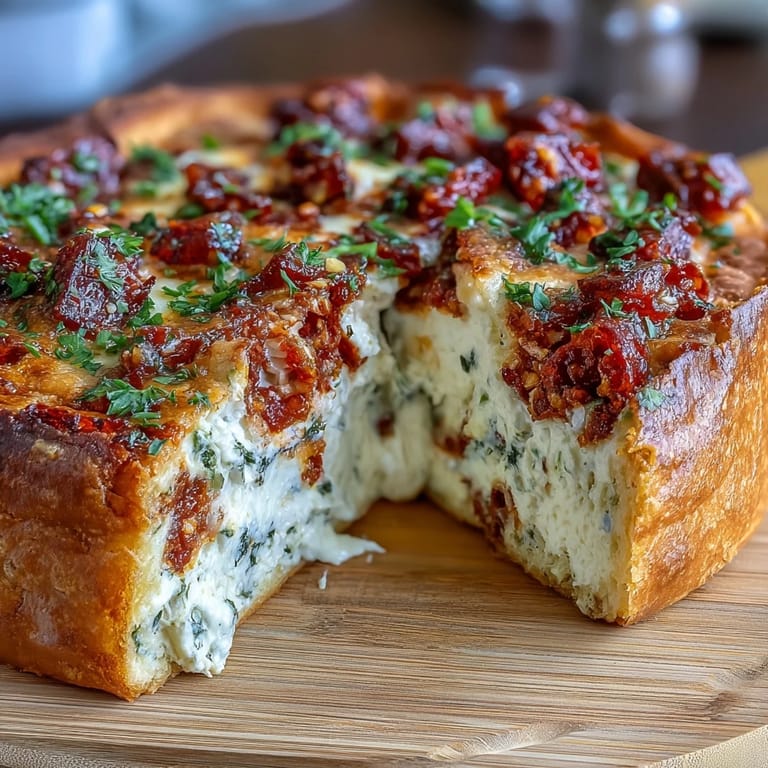
Save The first time my daughter watched this pie come out of the oven, her eyes went wide in that way children have when they see something beautiful, and she asked if we were taking it to a restaurant or if we made it ourselves. When I said we made it, she looked at me like I'd performed magic, and honestly, in that moment, it felt true.
The Magic of the Lattice
A lattice crust isn't just for show, though it certainly is beautiful with its geometric pattern turning golden in the heat. The strips create little air pockets that let steam escape evenly, preventing the bottom from getting soggy while keeping the top crispy. It's the kind of detail that seems fancy but actually solves a real problem, which is exactly how the best cooking secrets work.
Variations and Substitutions
This pie is flexible enough to bend with your preferences and what you have on hand, which is part of why it's lasted generations through families and kitchens. Prosciutto brings a more delicate saltiness than salami, while cooked ham gives you something milder that won't overpower the creamy filling. For a vegetarian version, sautéed spinach or artichokes add texture and earthiness in place of the meat, and the pie is every bit as satisfying.
Storing and Reheating
This pie keeps beautifully in the refrigerator for three days covered loosely with foil or plastic, and somehow the flavors marry and deepen overnight in a way that makes day-two slices even better than day-one. If you want to reheat a slice, a gentle warming in a 300°F oven for about 10 minutes brings back the warmth without drying anything out, though many people prefer it cold straight from the fridge for a different but equally wonderful experience.
- Wrap leftover slices individually in foil so they don't pick up refrigerator smells and dry out unevenly.
- You can freeze unbaked pie for up to one month if you wrap it carefully, then bake it directly from frozen for an extra 10 to 15 minutes.
- Room temperature is honestly the sweet spot for serving because every flavor and texture comes through without the filling being too firm or too soft.
 Save
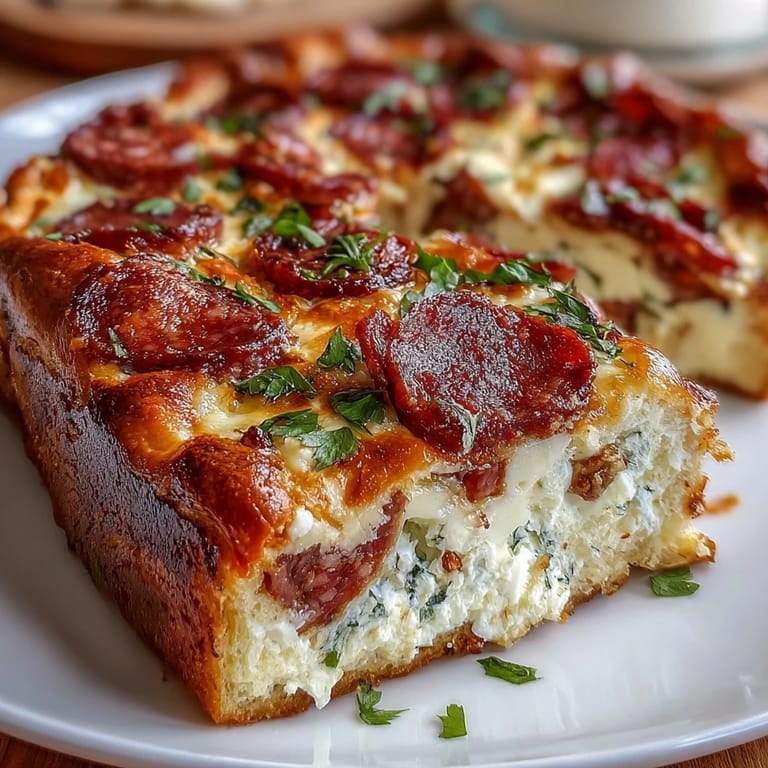
Save Make this pie and you'll understand why it's been passed down through so many families on Easter mornings, because something about the combination of a buttery crust, creamy filling, and salty meat creates a moment that feels both festive and deeply comforting. It's the kind of dish that tastes like love tastes.
Recipe FAQs
- → What type of cheese is used in this pie?
The pie uses whole-milk ricotta, Parmigiano-Reggiano, and shredded mozzarella for rich and balanced flavors.
- → Can I substitute the salami with other meats?
Yes, prosciutto or cooked ham can be used as alternatives to salami for a different flavor profile.
- → How is the pastry prepared for this dish?
The pastry is made by combining flour, salt, and cold cubed butter, then adding eggs and cold water to form a soft dough, chilled before rolling.
- → What seasoning enhances the filling taste?
Fresh parsley, ground black pepper, nutmeg, and salt are added to the filling for a balanced and aromatic flavor.
- → Is there a recommended way to serve this dish?
It is best served slightly warm or at room temperature and holds well for leftovers when refrigerated.