 Save
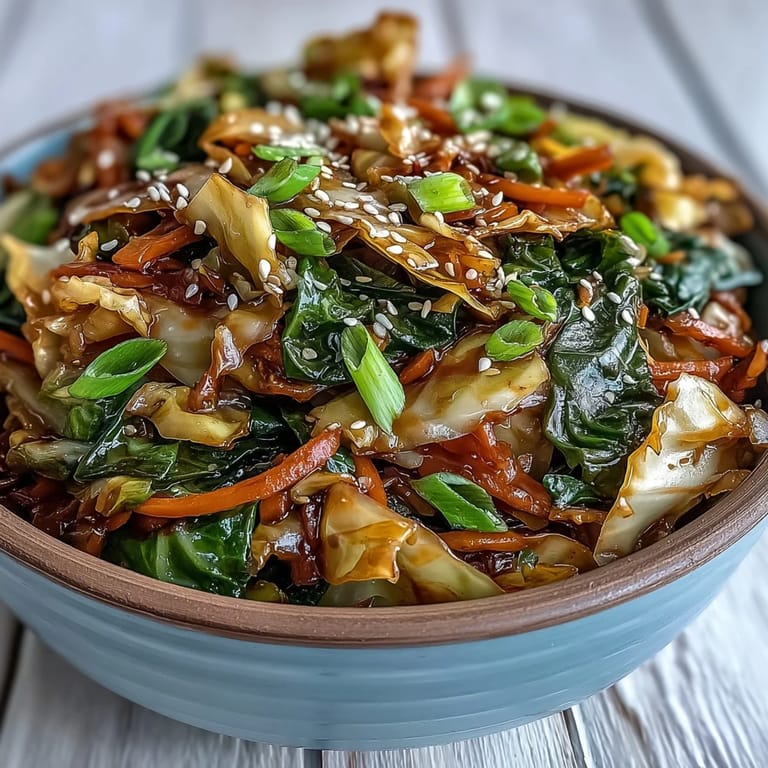
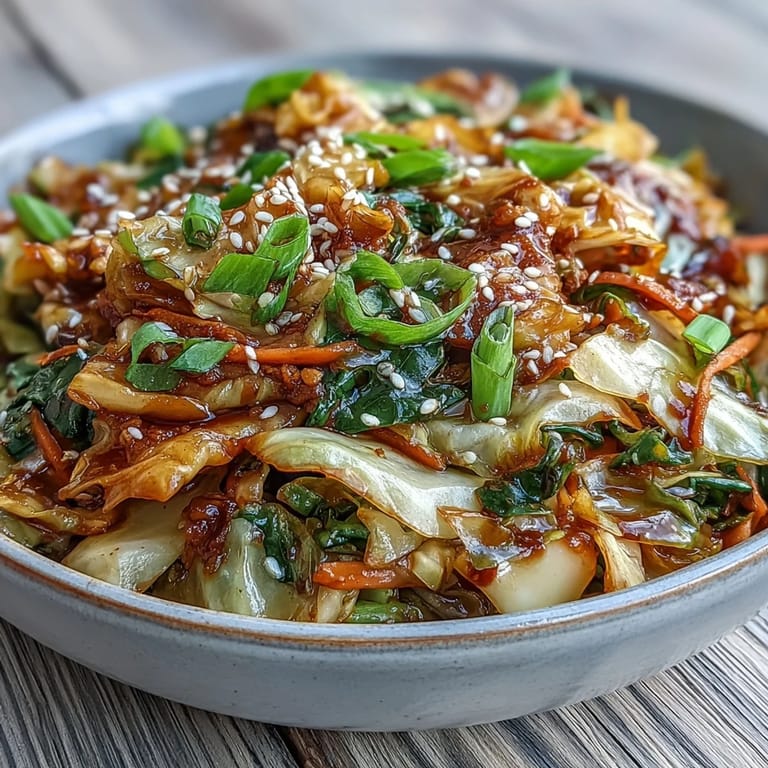
Save The sizzle of garlic hitting hot oil always reminds me why I keep coming back to this dish. I stumbled onto hot and sour cabbage during a particularly uninspired weeknight, staring at a lonely head of cabbage and wondering what I could possibly do with it that wouldn't taste like penance. Twenty minutes later, I was scraping the plate clean, amazed that something so simple could punch so far above its weight. That tangy heat, the satisfying crunch—it became my secret weapon for turning boring dinners into something people actually asked for seconds of.
I first made this for friends who claimed they didn't like cabbage, which felt like a personal challenge. Watching their skeptical faces turn into surprise as they took that first bite was better than any cooking show moment. By the end of the night, one of them was writing down the recipe on a napkin, and I realized I'd accidentally converted someone to the church of stir-fried vegetables. It's funny how a dish this straightforward can change minds.
Ingredients
- Green cabbage: The star here, and slicing it thin is key so it cooks quickly while keeping that essential crunch.
- Carrot: Adds a touch of sweetness and color, plus it holds up beautifully to high heat without turning mushy.
- Scallions: I slice these on the diagonal because it looks nicer and they cook more evenly, releasing their mild onion flavor.
- Garlic and ginger: The aromatic foundation that makes your kitchen smell like a proper stir-fry is happening.
- Soy sauce: Brings that salty, umami depth, and if you need gluten-free, tamari works just as well.
- Rice vinegar: The sour half of the equation, giving the dish its signature tang without being harsh.
- Chili paste: This is where the heat lives, and you can dial it up or down depending on your tolerance.
- Sugar: Just a teaspoon to balance the acidity and round out the flavors.
- Toasted sesame oil: A little goes a long way, adding that nutty finish that ties everything together.
- Vegetable oil: For high-heat cooking without burning.
- Black pepper and salt: Simple seasonings that let the sauce shine.
- Sesame seeds: Optional, but they add a lovely toasted crunch on top.
Tired of Takeout? 🥡
Get 10 meals you can make faster than delivery arrives. Seriously.
One email. No spam. Unsubscribe anytime.
Instructions
- Mix the sauce:
- Whisk together the soy sauce, rice vinegar, chili paste, sugar, and sesame oil in a small bowl. Having this ready before you start cooking means you won't be scrambling mid-stir-fry.
- Heat your wok:
- Get your wok or large skillet screaming hot with the vegetable oil shimmering across the surface. High heat is what gives you that restaurant-quality sear.
- Bloom the aromatics:
- Toss in the garlic and ginger, stirring constantly for about 30 seconds until they're fragrant but not brown. This step builds the flavor foundation.
- Stir-fry the vegetables:
- Add the cabbage and carrot, tossing everything vigorously for 3 to 4 minutes. You want the cabbage to start wilting but still have plenty of bite.
- Add the sauce:
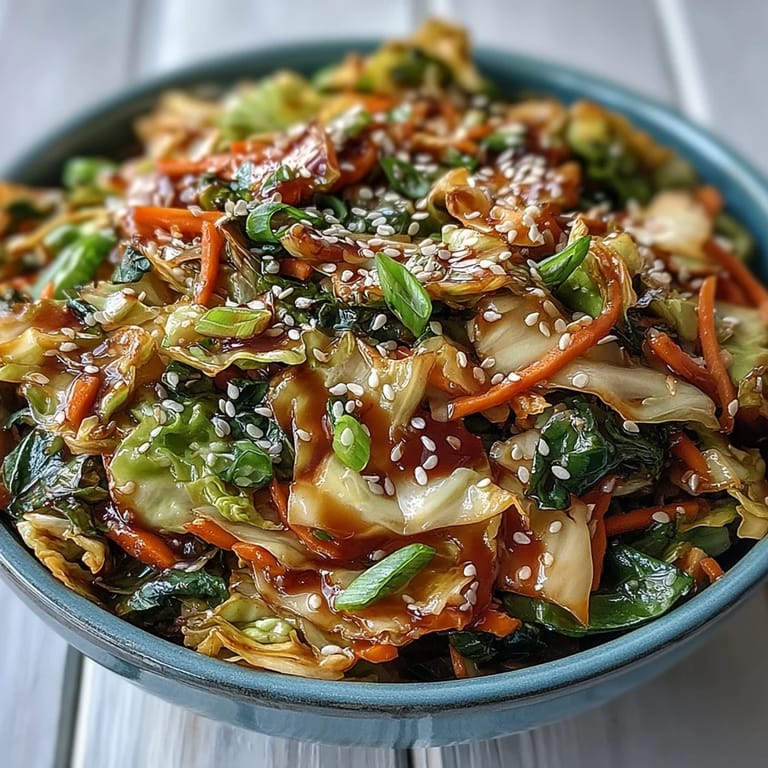
- Pour in your prepared sauce and toss to coat every shred of cabbage. Keep stirring for another 2 to 3 minutes until the vegetables are tender-crisp and glossy.
- Finish and garnish:
- Stir in the black pepper, salt, and scallions, cooking for one more minute. Transfer to a serving dish and sprinkle with sesame seeds if you're feeling fancy.
 Save
Save There was a rainy Sunday when I made a double batch of this and ate it straight from the wok while standing at the counter, savoring the way the vinegar cut through the richness of the sesame oil. It wasn't fancy or Instagram-worthy, just me and a pile of perfectly cooked cabbage that tasted better than it had any right to. Sometimes the best meals are the ones nobody sees, the ones that remind you why you love cooking in the first place.
What to Serve It With
This dish plays well with just about anything you'd find at a Chinese dinner table. I've served it alongside steamed jasmine rice for a simple weeknight meal, paired it with crispy tofu for something heartier, and even tucked it into lettuce wraps for a lighter option. It also works beautifully as a side to grilled chicken, salmon, or pork chops when you want to bring some bold flavor to an otherwise straightforward protein. The versatility is part of why it's stayed in my regular rotation.
How to Store and Reheat
Leftovers keep well in an airtight container in the fridge for up to three days, though the cabbage will soften a bit as it sits. I actually don't mind this because the flavors deepen overnight, and sometimes I'll eat it cold straight from the container as a quick snack. If you want to reheat it, a quick blast in a hot skillet or wok will revive some of that texture better than a microwave ever could. Just add a splash of water or a drizzle of oil to prevent sticking.
Ways to Make It Your Own
Once you've made this a few times, it becomes a template for whatever vegetables you have on hand. I've swapped in Napa cabbage when I wanted something more delicate, added sliced bell peppers for sweetness, and thrown in shiitake mushrooms for an earthy depth. Sometimes I'll toss in a handful of bean sprouts at the very end for extra crunch, or stir in some crushed peanuts for richness.
- For more protein, scramble an egg into the vegetables or toss in some cooked shrimp.
- If you like it extra sour, add another splash of rice vinegar at the end.
- Red pepper flakes or fresh Thai chilies will crank up the heat if chili paste isn't doing it for you.
 Save
Save This is the kind of recipe that earns its place in your regular lineup, not because it's fancy, but because it delivers every single time. I hope it becomes one of those dishes you reach for when you need something quick, bright, and utterly satisfying.
Recipe FAQs
- → Can I use Napa cabbage instead of green cabbage?
Yes, Napa cabbage works wonderfully and offers a milder, more delicate flavor. It will cook slightly faster than green cabbage, so reduce the stir-fry time by about a minute to maintain the crisp texture.
- → How can I make this dish spicier?
Increase the amount of chili paste or add red pepper flakes to taste. You can also drizzle with extra chili oil before serving for an additional kick of heat.
- → Is this dish suitable for meal prep?
Absolutely! Store in an airtight container in the refrigerator for up to 4 days. Reheat in a hot skillet or wok to restore some of the crispness, or enjoy it cold as a crunchy salad.
- → What can I substitute for rice vinegar?
Apple cider vinegar or white wine vinegar can be substituted in equal amounts. The flavor will be slightly different but still delicious and tangy.
- → Can I add protein to make this a main dish?
Yes! Add diced tofu, tempeh, chicken, or shrimp during the stir-frying process. Cook the protein first, set aside, then add it back when tossing with the sauce.
- → How do I keep the cabbage crispy and not soggy?
Use high heat and keep the cabbage moving in the wok. Don't overcrowd the pan, and avoid overcooking. The cabbage should be tender-crisp, not soft.