 Save
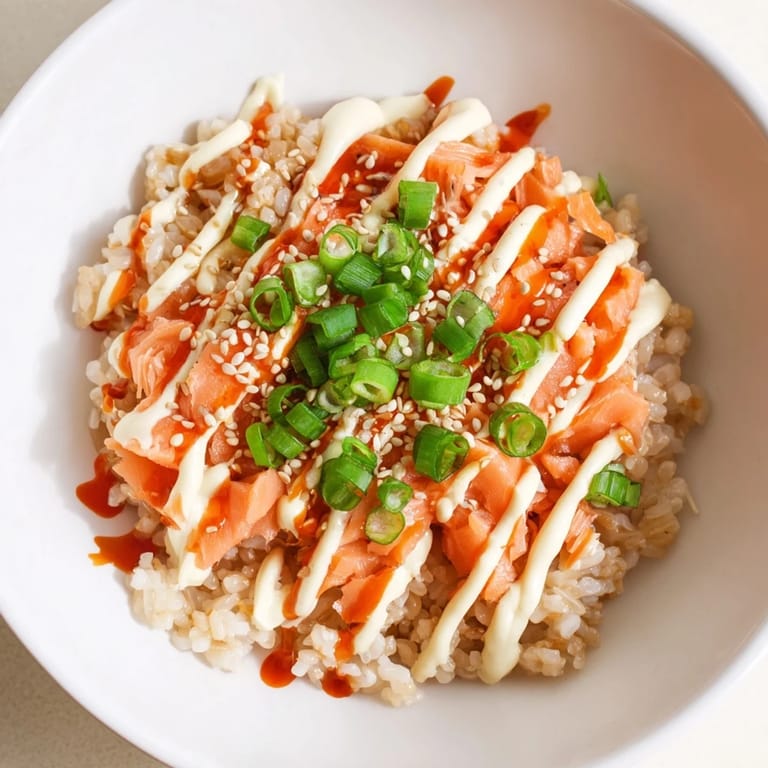
Save The sound of the microwave humming while I stood barefoot in my kitchen at noon became my favorite kind of lunch ritual. I'd stumbled across this recipe during one of those endless scroll sessions, and something about the simplicity stopped me cold. There was leftover salmon in the fridge, rice from the night before, and a ripe avocado on the counter. Within minutes, I had a bowl that tasted like I'd ordered takeout, but better, because I knew exactly what went into it.
I made this for my sister on a rainy Saturday when we were both too lazy to go out. She watched me mix everything together with skepticism, then took one bite wrapped in seaweed and immediately asked for the recipe. We ended up eating two bowls each, sitting on the couch with a stack of nori between us, talking about nothing important. It became our go-to whenever one of us needed comfort without the fuss.
Ingredients
- Cooked salmon fillet: Leftover grilled or baked salmon works beautifully here, flaking apart into tender, rich bites that soak up all the sauces.
- Short-grain rice: Day-old rice is actually better because it holds its shape and doesn't turn mushy when you reheat it.
- Soy sauce: This is your salty backbone, so use a good quality one you'd be happy to taste on its own.
- Japanese mayonnaise: Kewpie has a tangy richness that regular mayo just can't match, and it makes the whole bowl creamy without being heavy.
- Sriracha sauce: Adds just enough heat to wake everything up, but you can dial it up or down depending on your mood.
- Ripe avocado: Creamy, buttery slices that cool down the spice and add a luxurious texture to every bite.
- Green onion: A bright, sharp note that cuts through the richness and makes the bowl feel fresh.
- Toasted sesame seeds: Tiny but mighty, they bring a nutty crunch that ties everything together.
- Roasted seaweed sheets: These turn each spoonful into a little edible vessel, adding a salty, ocean-like flavor that makes it feel like real sushi.
Tired of Takeout? 🥡
Get 10 meals you can make faster than delivery arrives. Seriously.
One email. No spam. Unsubscribe anytime.
Instructions
- Prep the Bowl:
- Place your cold rice in a microwave-safe bowl and scatter the flaked salmon over the top. Drizzle 1 tablespoon of soy sauce over everything so the rice starts absorbing that salty umami flavor.
- Heat It Up:
- Cover the bowl loosely with parchment or a microwave-safe cover and microwave on high for 1 to 2 minutes. You want the rice steaming and the salmon warmed through, not dried out.
- Add the Sauces:
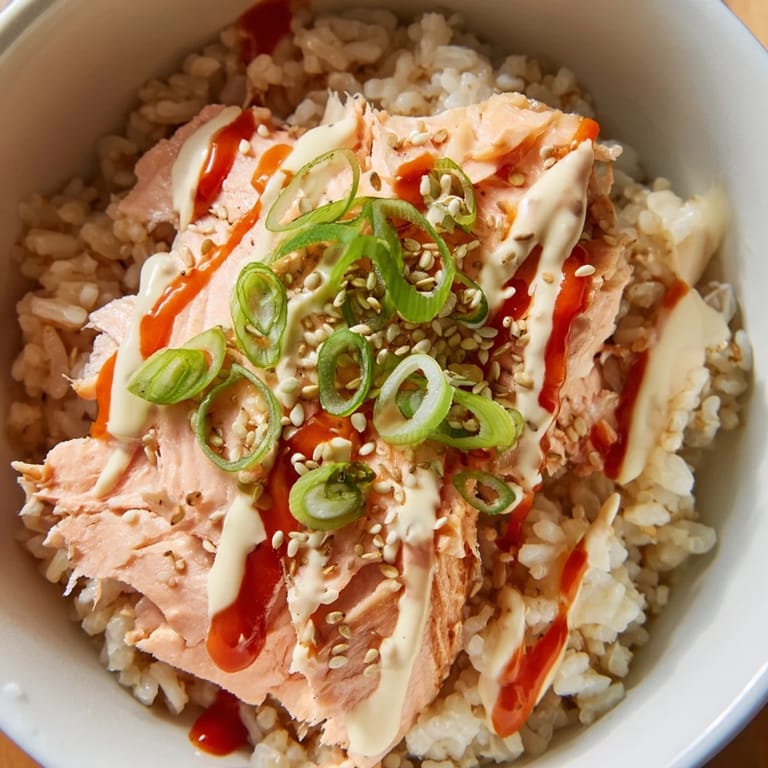
- Drizzle the warm bowl with Japanese mayo and sriracha, then add the remaining soy sauce if you want more depth. The heat from the rice will help the mayo melt slightly into everything.
- Mix It All Together:
- Use a fork or rice paddle to gently fold everything together until the rice is coated and the salmon is evenly distributed. The texture should be creamy and lightly saucy.
- Top and Serve:
- Arrange avocado slices on top, sprinkle with green onion and sesame seeds, and set a stack of seaweed sheets on the side. Scoop a bit of the mixture onto a seaweed sheet and eat it like a hand roll.
 Save
Save There was one evening when I made this after a long, frustrating day, and the act of folding the seaweed around each bite became oddly meditative. It wasn't just food anymore, it was a small reset, a way to slow down and focus on something simple and satisfying. That's when I realized this recipe wasn't just easy, it was kind.
Choosing Your Salmon
Leftover salmon from dinner is ideal, but I've also used canned salmon in a pinch and it worked surprisingly well. If you're starting from scratch, a quick pan-seared fillet with a little salt and pepper is all you need. Just let it cool slightly before flaking so it doesn't turn to mush when you mix it.
Making It Your Own
I've swapped sriracha for chili crisp when I wanted more crunch, and I've added a splash of rice vinegar for tang. Sometimes I throw in a handful of cucumber for freshness or a sprinkle of furikake for extra umami. The base is so forgiving that you can follow your cravings without worrying about ruining anything.
Serving and Storing
This is best eaten fresh while the rice is warm and the avocado is just sliced. If you need to prep ahead, keep the rice and salmon mixture separate from the toppings and assemble right before serving. Leftovers can be stored in the fridge for a day, but the avocado will brown and the seaweed will lose its crispness.
- Reheat gently in the microwave with a damp paper towel over the bowl to keep moisture in.
- Add fresh avocado and seaweed after reheating for the best texture.
- If meal prepping, portion the rice mixture into containers and pack toppings separately.
 Save
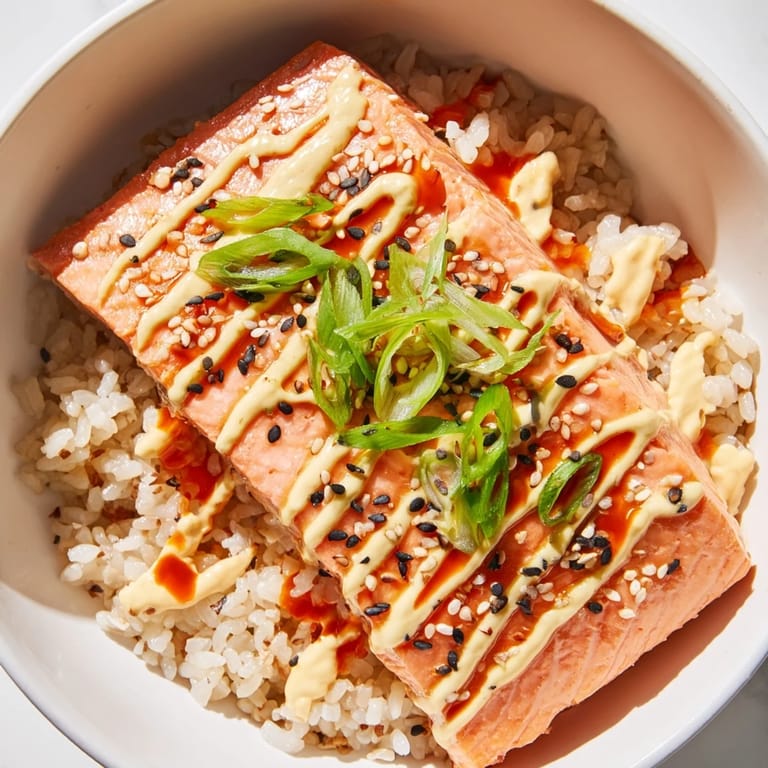
Save This bowl has become my answer to those days when I want something that feels special without any real effort. It's proof that comfort food doesn't have to be complicated, just honest and made with what you have.
Recipe FAQs
- → Can I use canned salmon instead of fresh cooked salmon?
Yes, canned salmon works wonderfully as a convenient substitute. Drain it well and flake it into bite-sized pieces before adding to the rice. The flavor profile remains delicious and the preparation time stays the same.
- → Why is day-old rice recommended for this bowl?
Chilled leftover rice has a firmer texture and separates better when mixed with toppings, preventing a mushy consistency. Fresh warm rice tends to clump together. If you only have fresh rice, spread it on a plate to cool quickly before assembling.
- → How do I customize the heat level of this bowl?
Replace sriracha with chili crisp, jalapeño slices, or your preferred hot sauce to adjust spiciness. You can also omit the spicy element entirely and add extra soy sauce or a drizzle of rice vinegar for flavor without heat.
- → What makes Japanese mayonnaise different from regular mayo?
Kewpie and other Japanese mayonnaise brands contain more egg yolks, creating a richer, slightly sweeter flavor and creamier texture. Standard mayonnaise can substitute if needed, though the taste will be slightly less rich.
- → Can this bowl be made ahead for meal prep?
Yes, assemble the rice, salmon, and condiments in containers to reheat when ready. Store avocado separately and add just before serving to prevent browning. Seaweed sheets stay best in an airtight container on the side.
- → What fish alternatives work well in this bowl?
Cooked tuna, mackerel, or even plant-based protein like seasoned tofu offer great variations. For a different twist, try smoked salmon or seared yellowtail for varied flavor profiles while maintaining the sushi-inspired concept.