 Save
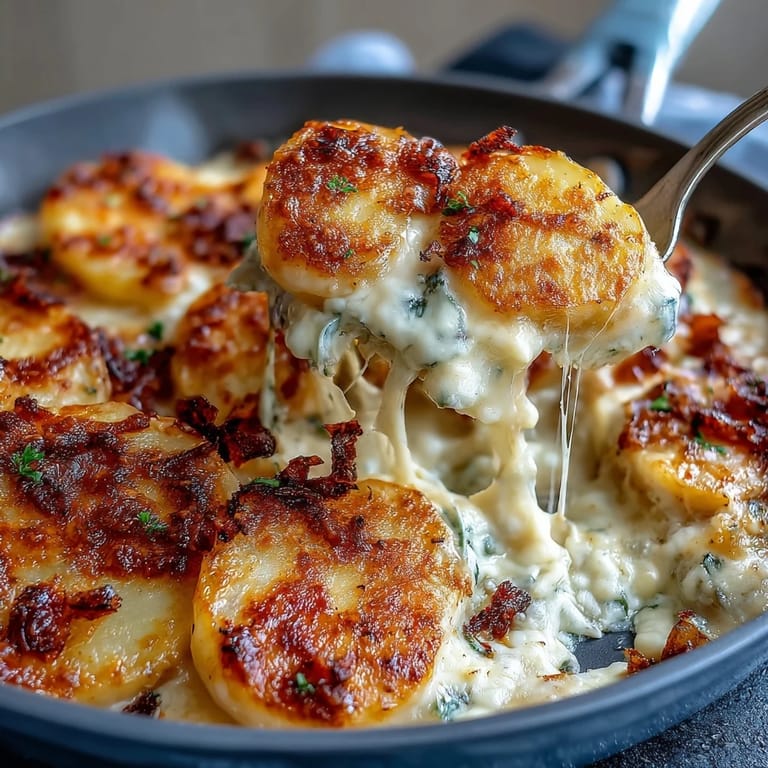
Save My neighbor brought over a casserole dish one winter evening, steam rising from under the foil, and I'll never forget that first bite—creamy, golden, impossibly comforting. She wouldn't share the recipe until I promised to make it for my own family, and when I finally did, I understood why she'd kept it close. These scalloped potatoes became the dish I reach for when I want everyone at the table to slow down and savor something genuinely delicious.
I made this for a holiday potluck once, and honestly, I was nervous—would it hold up next to all the fancy sides people brought? When I came back to grab the dish at the end of the night, only a few golden-edged scraps remained on the bottom. My cousin texted me days later asking for the recipe, which felt like the highest compliment.
Ingredients
- Yukon Gold or Russet potatoes (2 lbs): Yukon Golds stay waxy and hold their shape beautifully, while Russets get slightly fluffier—either works, just slice them thin and even so they cook at the same rate.
- Yellow onion (1 medium): The sweetness mellows as it bakes, adding a subtle depth that makes you forget it's there in the best way.
- Sharp cheddar cheese (2 cups): Don't skimp here—the sharp flavor is what gives this dish its backbone, cutting through all that cream.
- Mozzarella cheese (1 cup): This stretches the sauce and helps everything meld together without becoming heavy.
- Whole milk (2 cups): Whole milk creates the right body for the sauce; skim will feel thin and disappointing.
- Unsalted butter and flour (2 tbsp each): This roux is your foundation—cook it gently and whisk constantly to keep lumps from forming.
- Salt, pepper, garlic powder, and paprika: Season generously but taste as you go; the cheeses are salty already, so you might need less than you'd expect.
Tired of Takeout? 🥡
Get 10 meals you can make faster than delivery arrives. Seriously.
One email. No spam. Unsubscribe anytime.
Instructions
- Get your dish ready:
- Heat your oven to 375°F and grease a 9x13-inch baking dish—I use butter on my hands to get into the corners, which helps everything release cleanly afterward.
- Make the roux:
- Melt butter over medium heat and whisk in flour for about a minute until it smells toasty and looks like wet sand. This tiny step prevents lumps and gives you a silky sauce.
- Build the sauce:
- Pour milk in slowly while whisking constantly, making sure each addition blends smoothly before adding more. You'll feel the sauce thicken after a few minutes—that's exactly right.
- Season and add cheese:
- Take the pan off heat, stir in your seasonings, then add half the cheese and let it melt undisturbed for a moment before stirring. The residual heat melts everything perfectly without making it grainy.
- Layer like you mean it:
- Spread half the sliced potatoes in the dish, then half the onions, then half the sauce—repeat the whole thing. Each layer should be visible and intentional, not mushed together.
- Finish the top:
- Scatter the remaining cheeses over everything and dust with paprika, which adds color and a whisper of smokiness.
- Bake covered, then uncovered:
- Cover tightly with foil and bake 40 minutes—this traps steam and cooks the potatoes through without browning too fast. Remove the foil and bake another 25 to 30 minutes until the top turns golden and you can smell the cheese browning.
- Rest before serving:
- Let it sit for 10 minutes after it comes out of the oven, which lets everything set and makes serving so much easier.
 Save
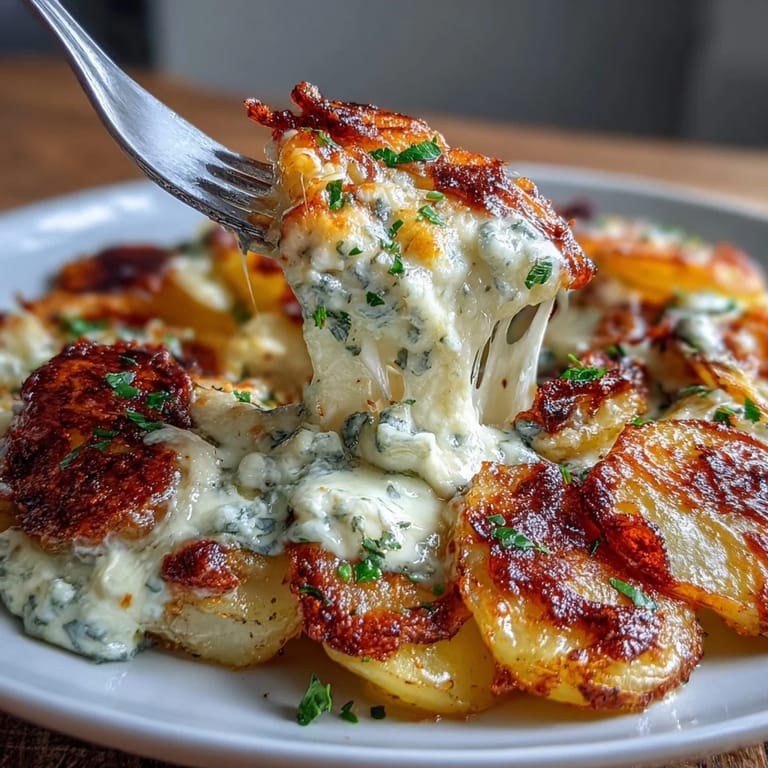
Save There's something almost meditative about layering these potatoes, the quiet rhythm of it while the kitchen fills with the smell of melting cheese. My daughter once asked why we couldn't just dump everything in at once, and I realized I'd been teaching her that some things are worth taking your time on.
Flavor Variations Worth Trying
If you want to dress this up without much fuss, a tiny pinch of fresh nutmeg in the sauce adds an almost invisible warmth that people notice without being able to name it. I've also crumbled crispy bacon between layers when I'm feeling generous, or stirred in fresh thyme and rosemary for an herby version that makes the potatoes feel more sophisticated. Gruyère is my fancy-night substitution for some of the cheddar—it melts differently and brings a nuttiness that's quieter but somehow more refined.
Make Ahead and Storage
The best thing about this dish is that you can assemble it completely, cover it, and stick it in the fridge for up to 24 hours before baking. Just add 10 to 15 minutes to your baking time if you're starting from cold. Leftovers stay good for about three days in the fridge and reheat beautifully covered in foil at 350°F until warmed through—they actually taste richer the next day.
Why This Works Every Time
The secret to scalloped potatoes that don't turn into a soupy mess is respecting the layering technique and not rushing the baking time. Every element has a job—the butter and flour thicken without heaviness, the two cheeses work together instead of competing, and the milk keeps everything creamy without making it feel indulgent. This isn't a dish that forgives shortcuts, but the shortcuts aren't really that difficult once you understand how everything fits together.
- Use a mandoline if you have one to keep those potato slices uniformly thin.
- If the sauce looks too thick when you take it off the heat, it will loosen slightly as the potatoes release their moisture.
- The paprika on top is more than decoration—it adds a hint of smokiness that ties everything together.
 Save
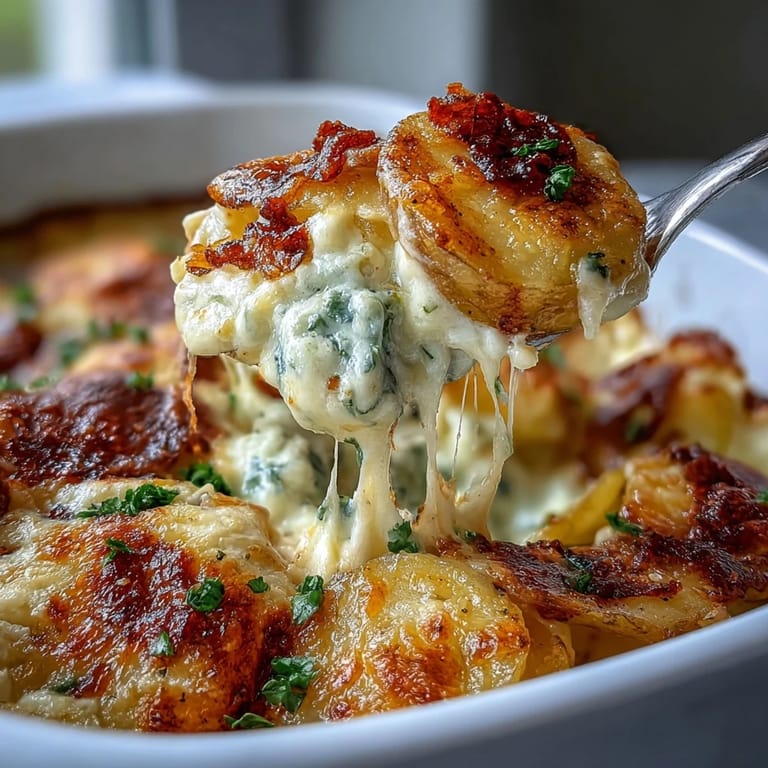
Save Make this whenever you need comfort without fuss, or when you want to remind someone that the simplest dishes often taste the best. It's been on my table through seasons and celebrations, and it never disappoints.
Recipe FAQs
- → What type of potatoes work best for scalloped potatoes?
Yukon Gold or Russet potatoes are ideal due to their texture and ability to absorb flavors well when thinly sliced.
- → Can I use different cheeses in this dish?
Yes, substituting Gruyère for cheddar adds a nuttier flavor while still maintaining creaminess.
- → How do I ensure the sauce is smooth without lumps?
Whisk flour and butter to form a roux before gradually adding milk while whisking constantly to prevent lumps.
- → Is it necessary to cover the dish during baking?
Covering with foil initially helps cook potatoes evenly and retain moisture before uncovering for a golden crust.
- → Can this dish be prepared ahead of time?
Yes, it can be assembled several hours before baking and cooked just before serving for convenience.